Discover the meanings and fascinating origins behind the quirky expressions that make English such a colorful language.
To endure a painful or unpleasant situation that is unavoidable.
Example Sentence
"I hate going to the dentist, but I just need to bite the bullet and make an appointment."
Etymology (Origin)
Before anesthesia was invented, soldiers were given a bullet to bite down on during surgery to help them endure the pain without screaming.
If you translate these word-for-word, they make no sense. Here's what they actually mean.
🌧️ 🐱 🐕
Raining animals
Raining very heavily.
🪶 ✈️
Flying with feathers
To be very fast or successful.
🦵 💥
Breaking a limb
Good luck (usually in theater).
The phrases you'll hear constantly in movies, TV shows, and conversations.
Something that is very easy to do.
To accidentally reveal a secret.
To join others in doing something fashionable.
To describe exactly what is causing a situation.
Something that happens very rarely.
A good thing that seemed bad at first.
The bizarre historical reasons we say the things we say.
Before cameras, portrait painters charged by the limb. Painting a face was cheap, but painting arms and legs took more time and paint, making it much more expensive.
In 15th century Scotland, a law stated that if someone butchered an animal that didn't belong to him, he had to be caught with the animal's blood on his hands to be convicted.
Pirates would sail under false flags (colors) to get close to enemy ships. Right before attacking, they would hoist their true pirate flag, revealing their real identity.
In Ancient Greece, people voted using white and black beans. If the jar was accidentally knocked over, the beans were spilled, revealing the secret vote prematurely.
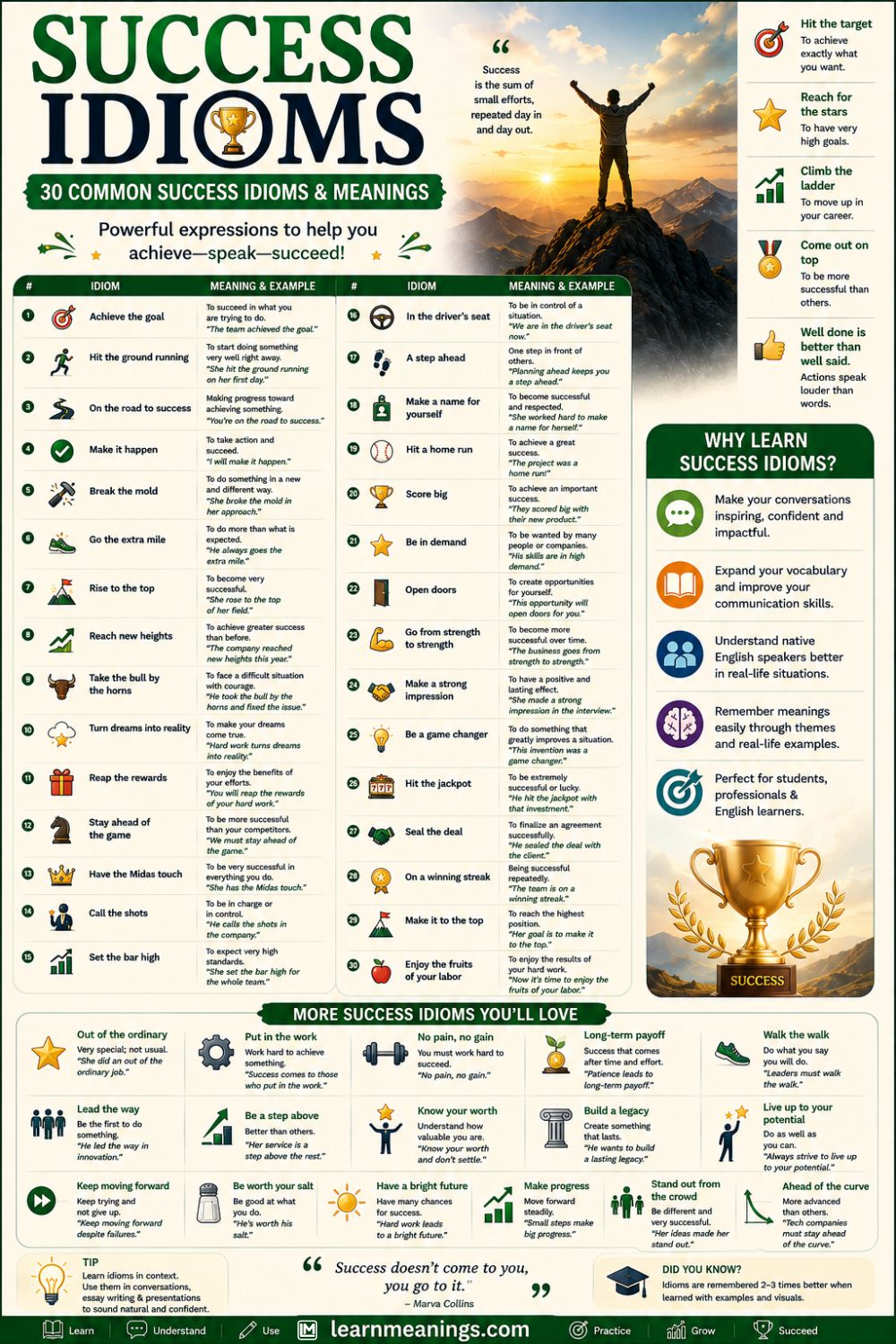
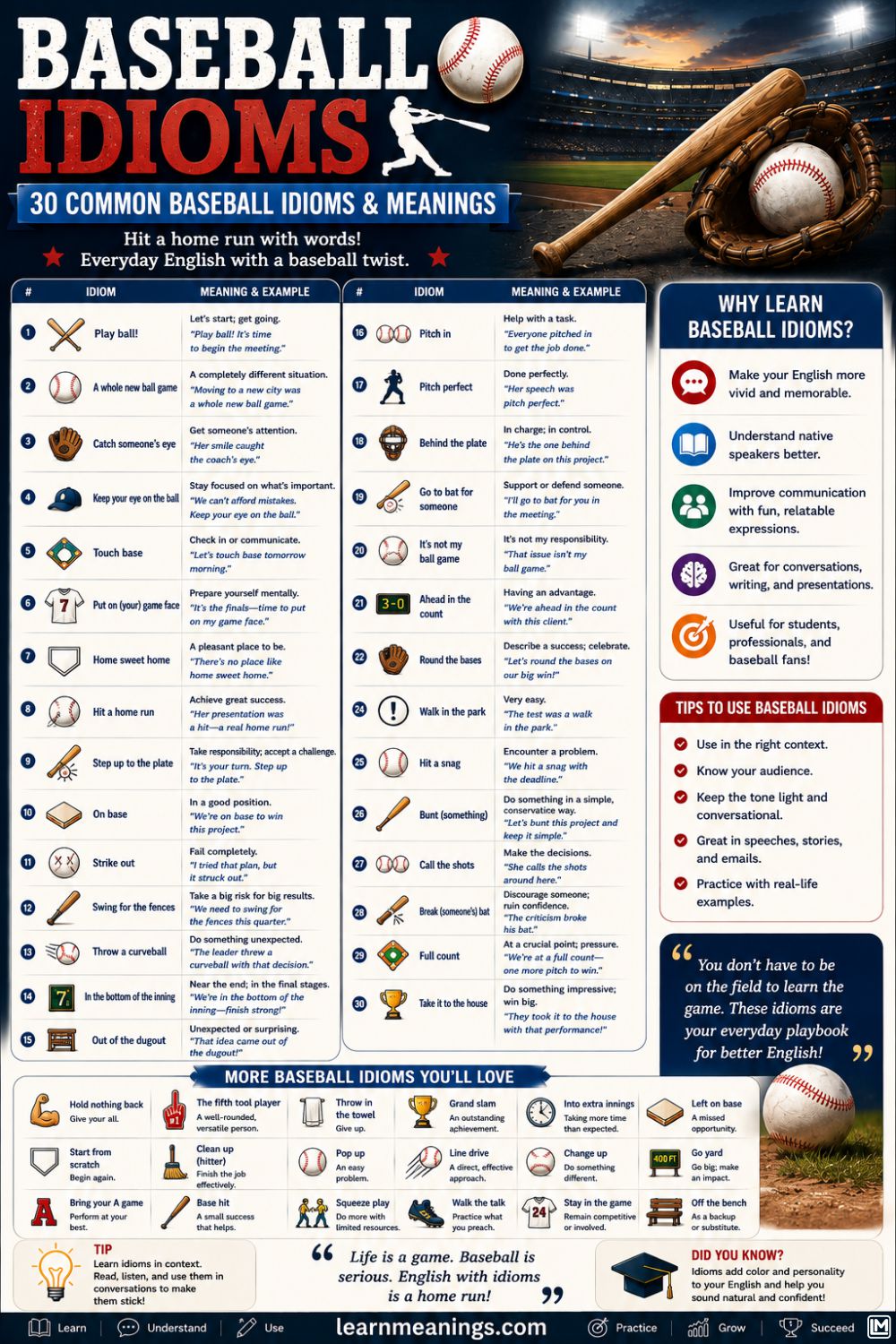
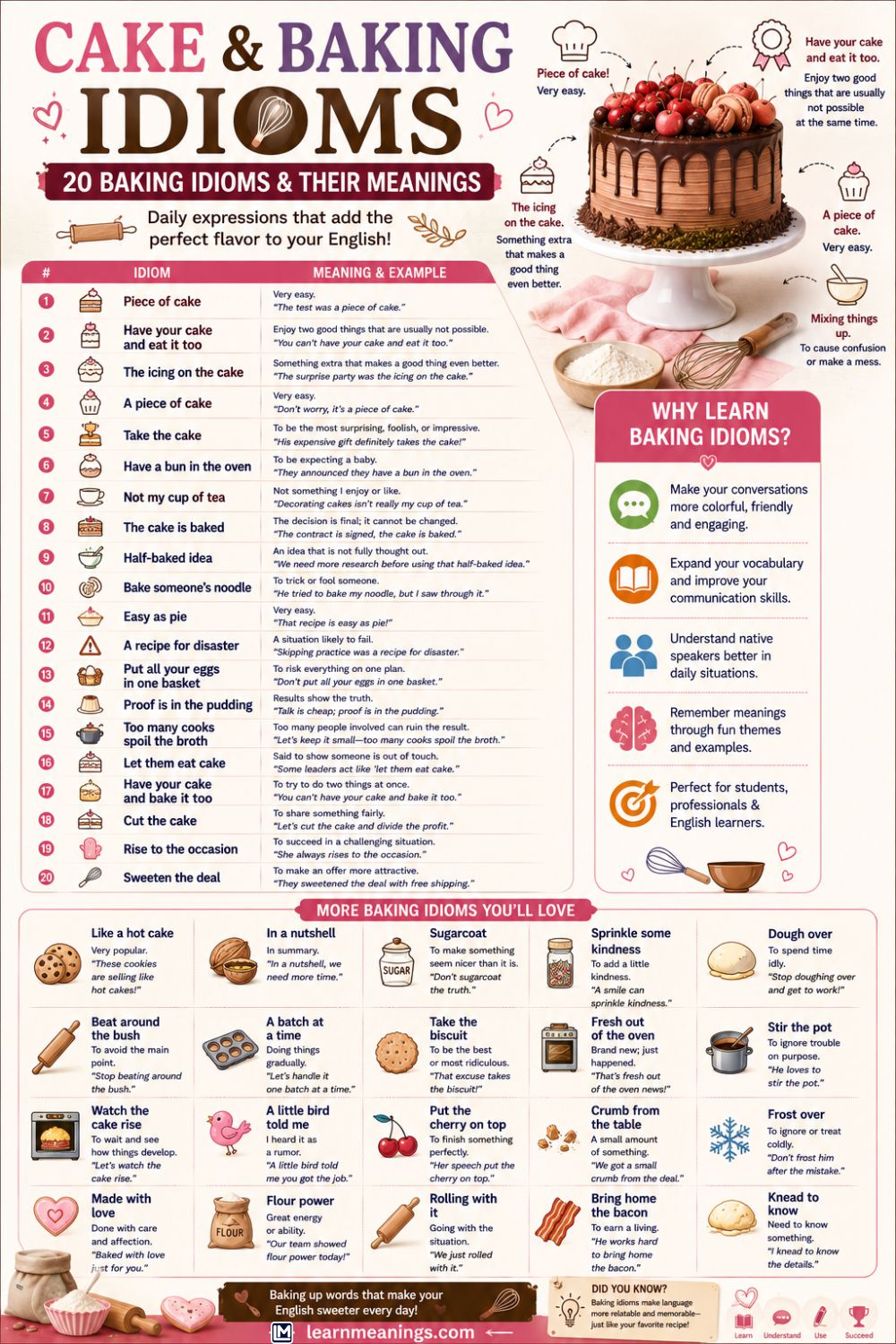
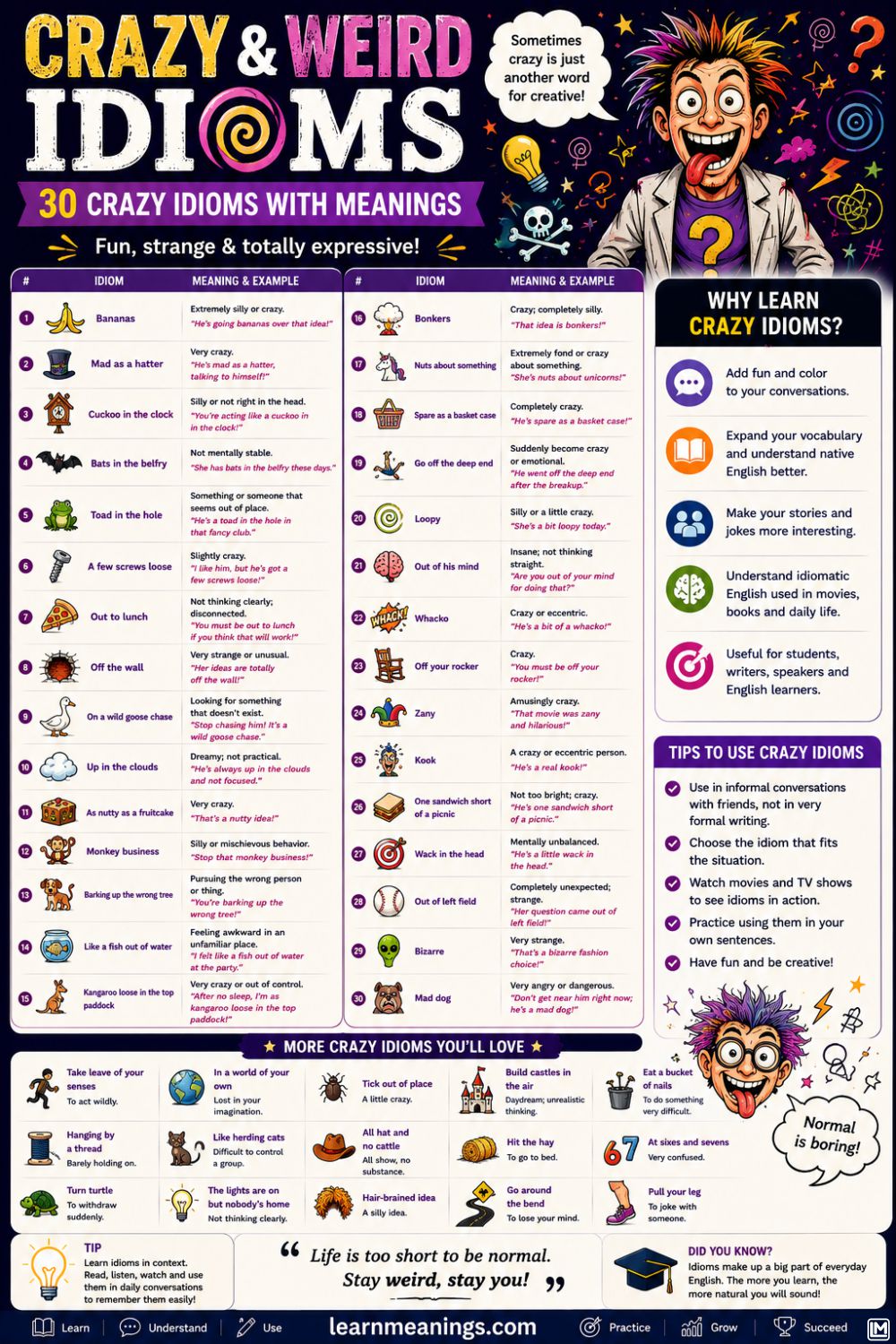
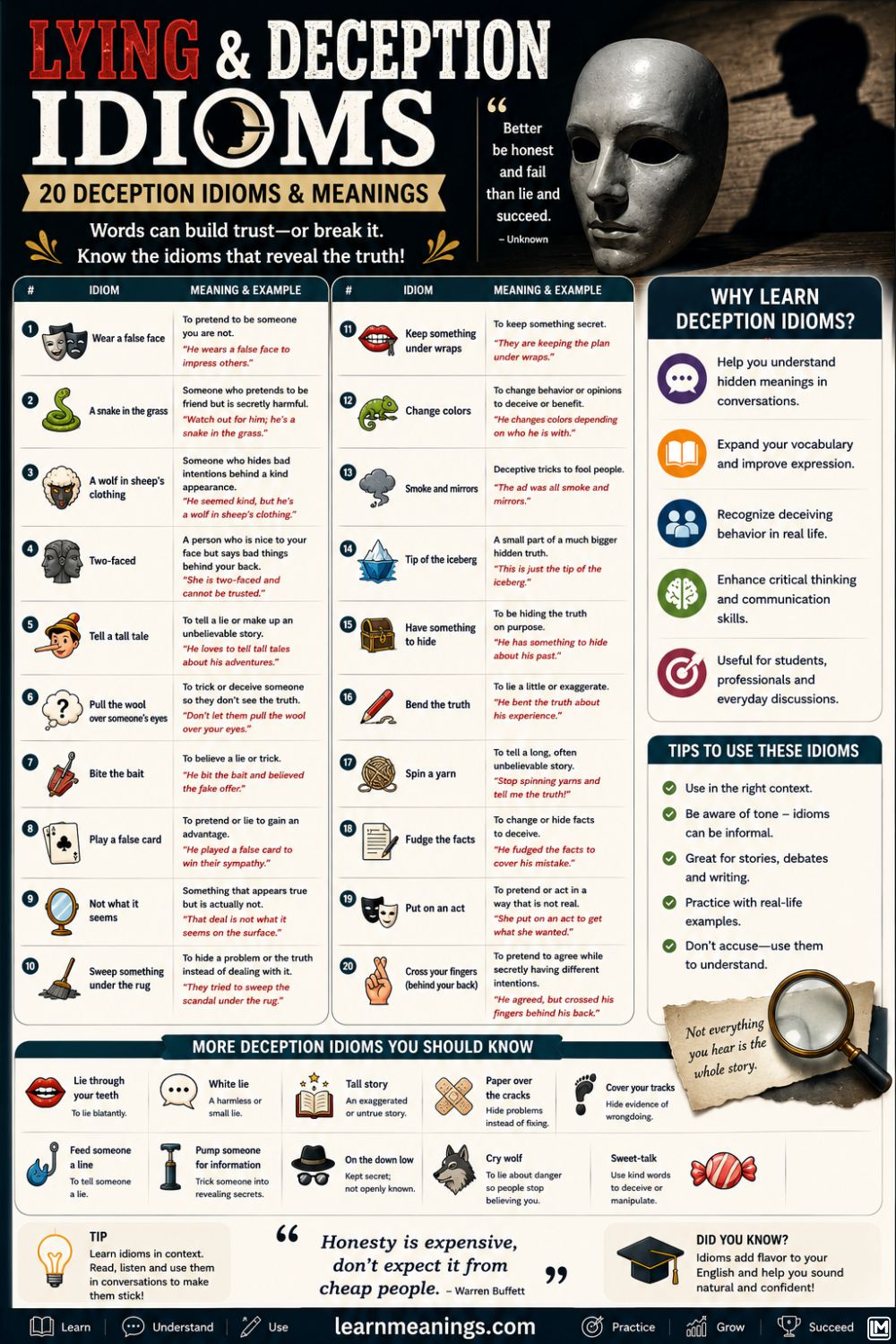
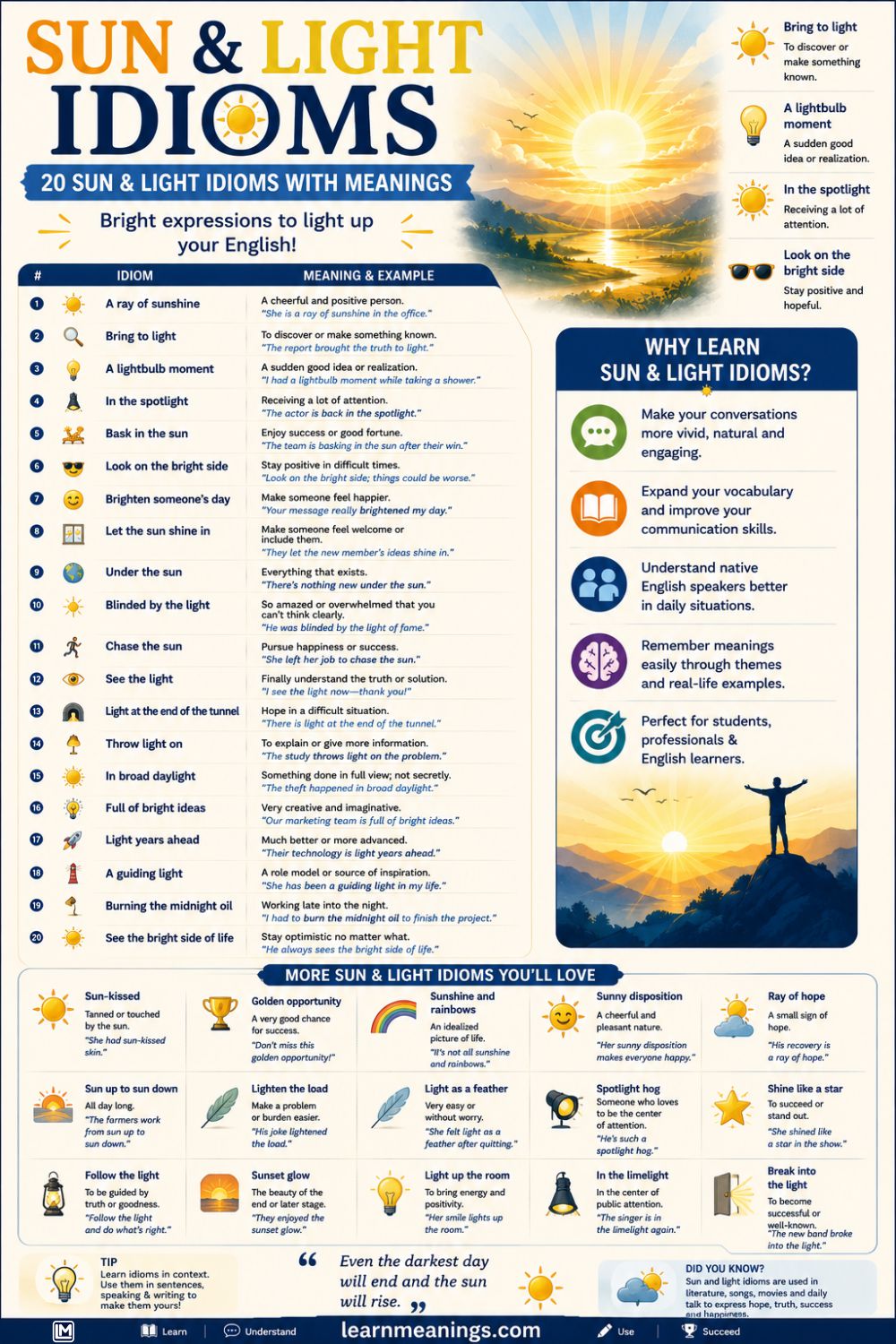
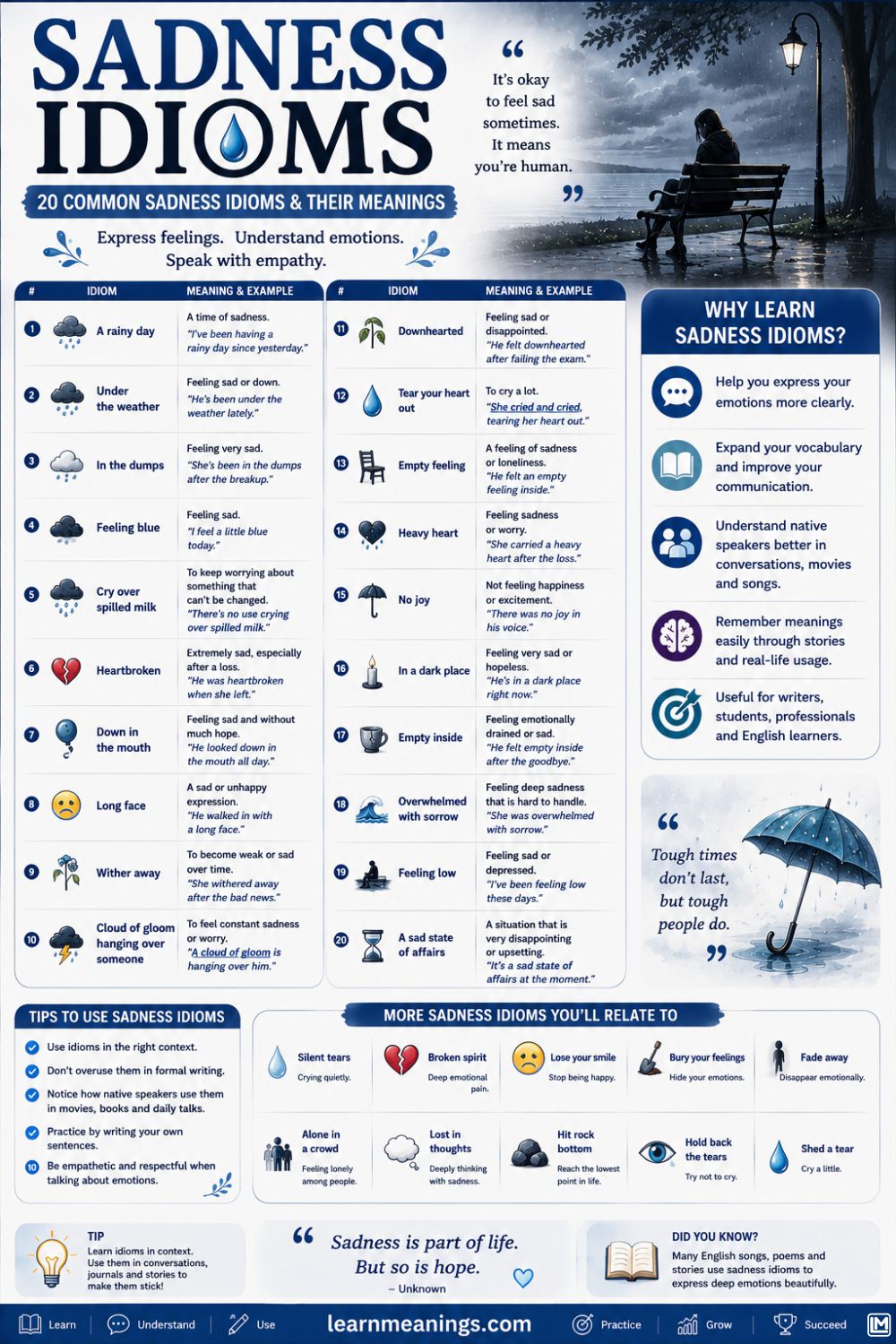
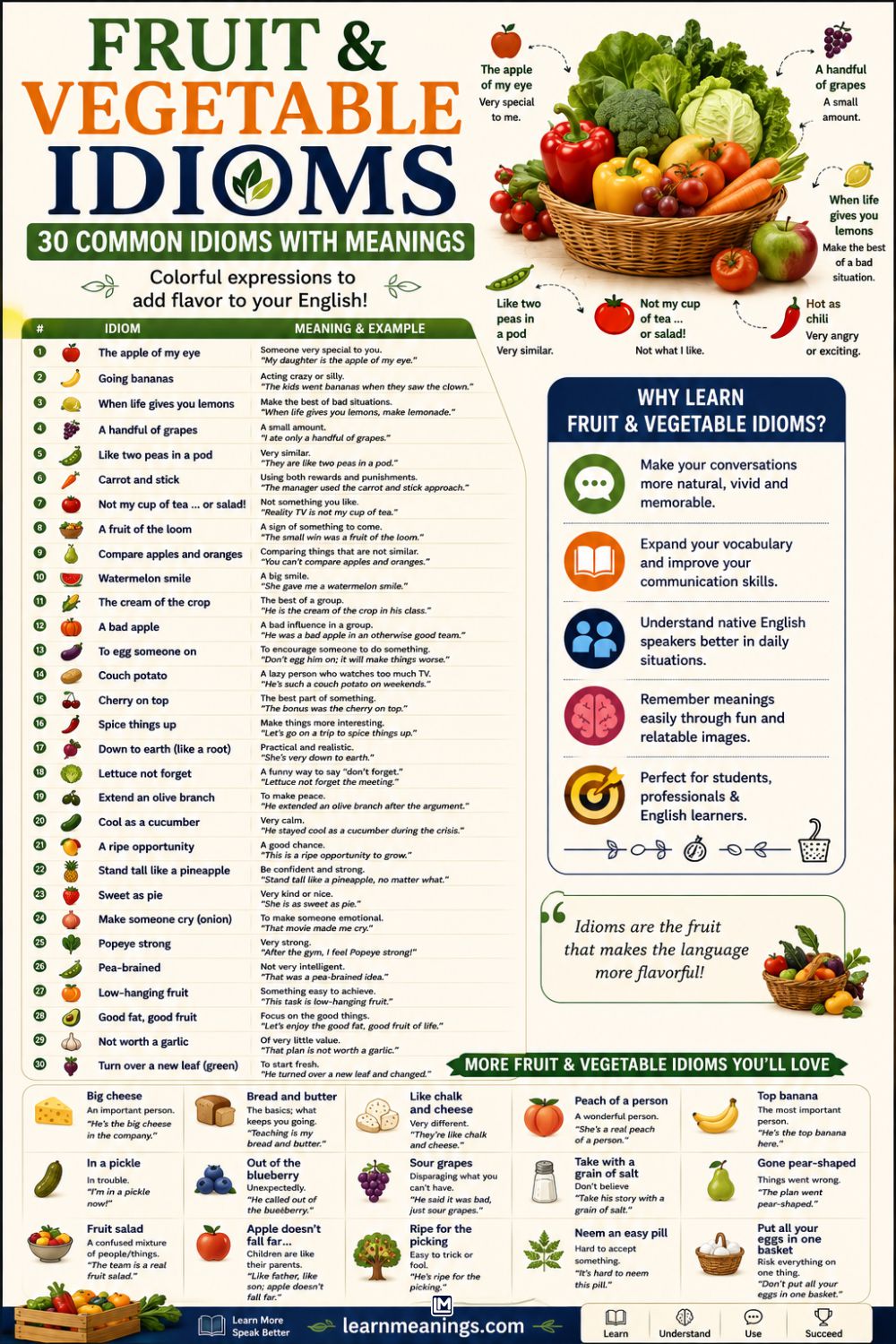
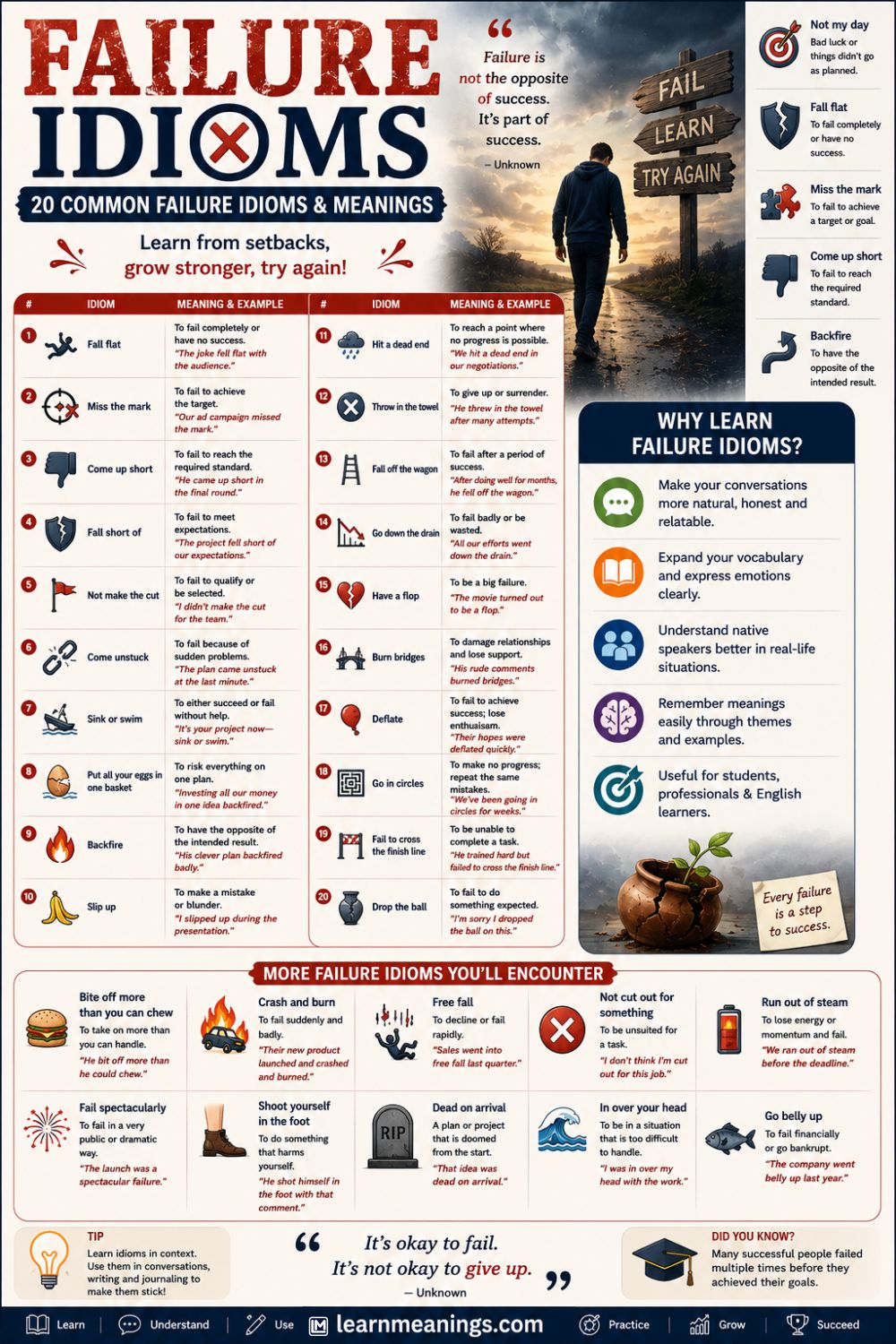


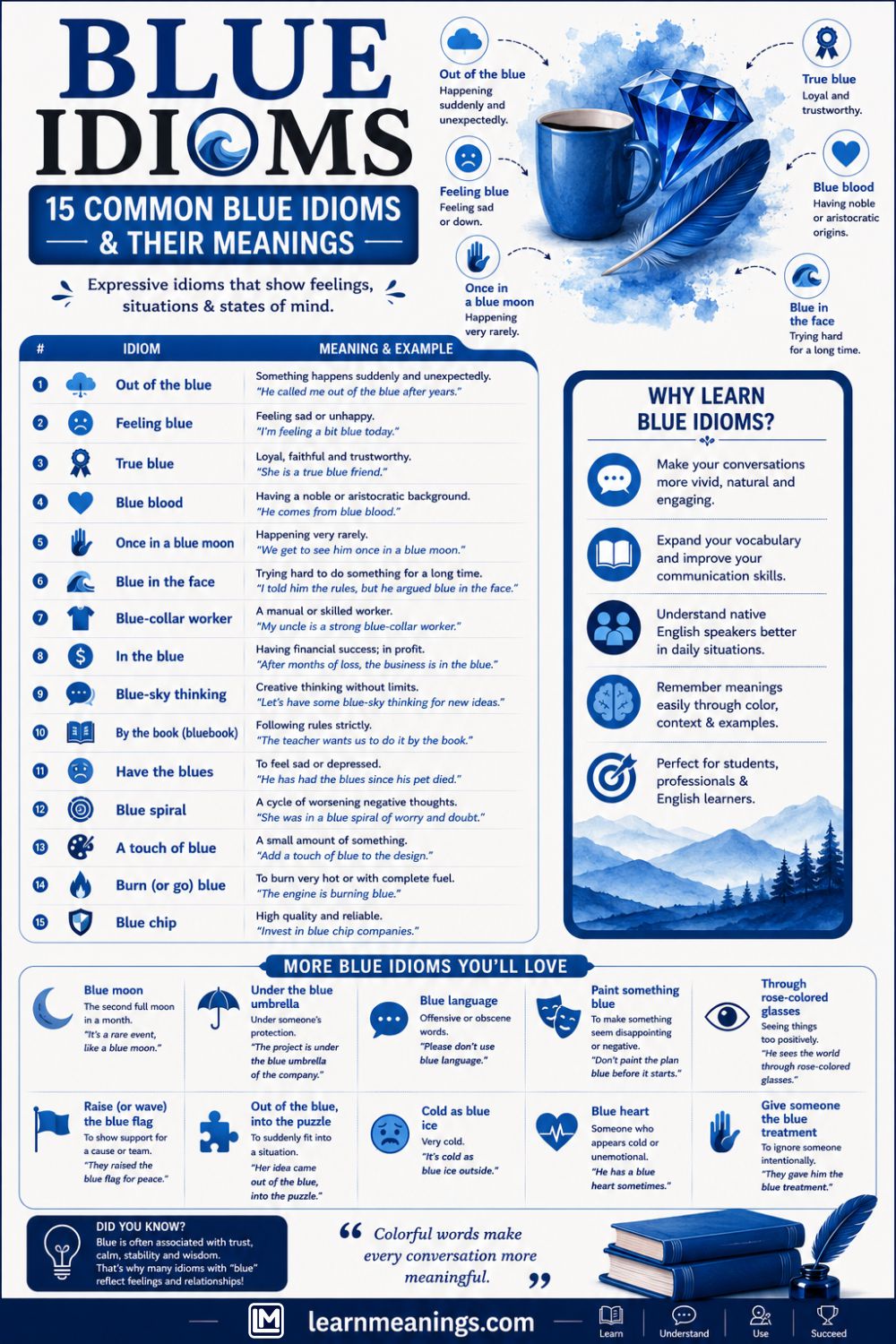
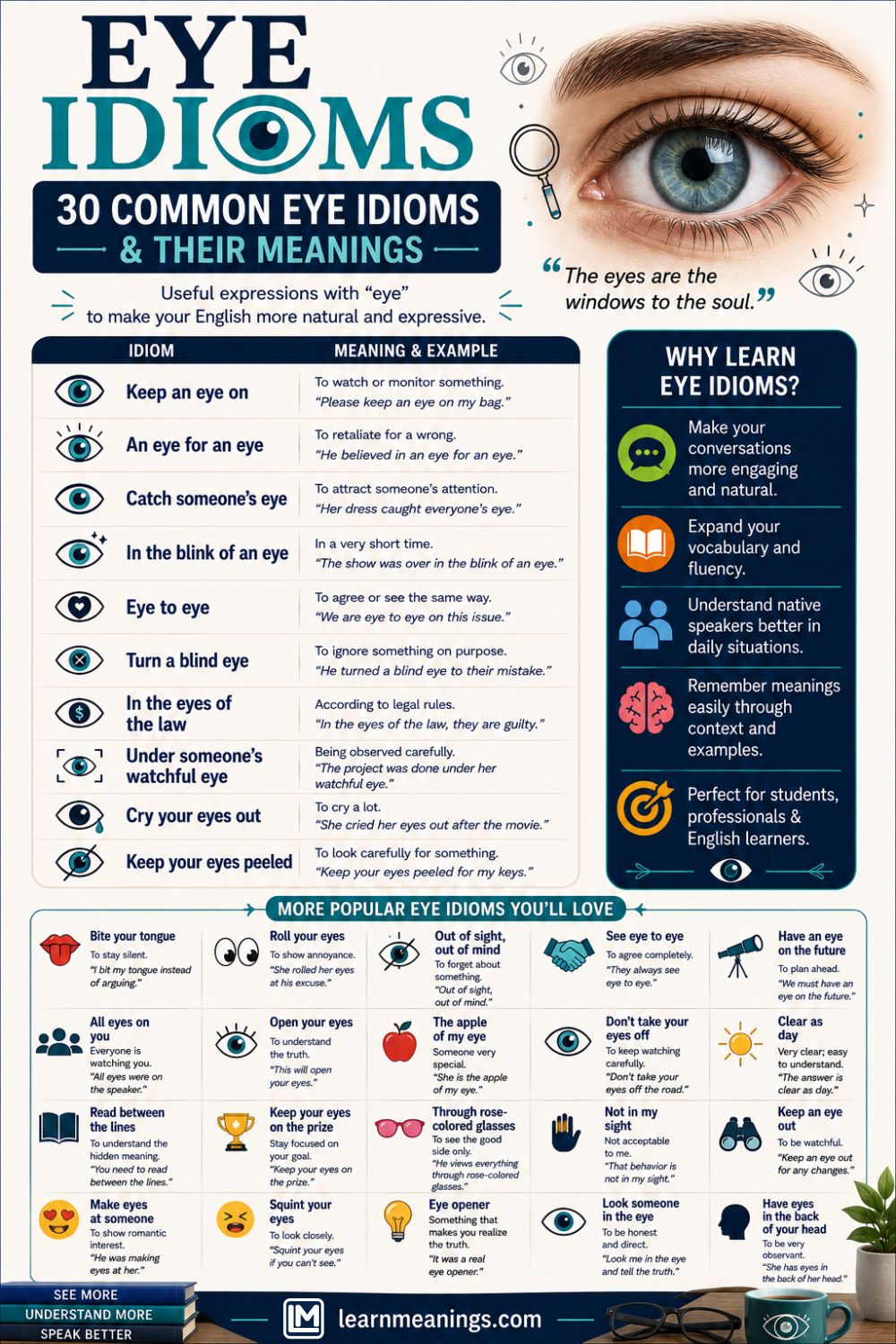

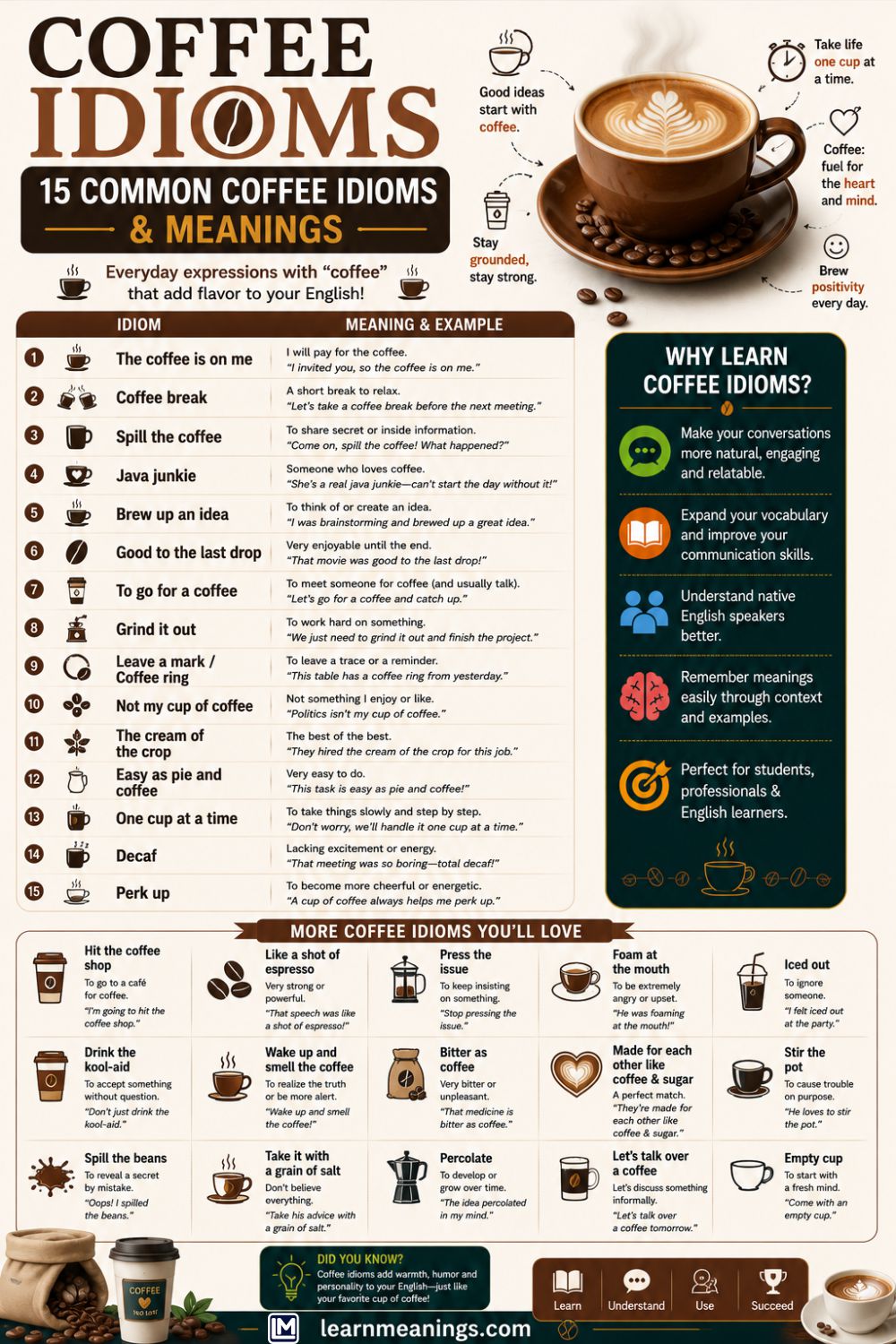
Explore our extensive dictionary using different filters and categories.
Take this 50-question quiz to test your vocabulary knowledge.
1. If news makes you 'sick to your stomach,' how do you feel?
2. What does 'low key' mean?
3. If a project 'bears fruit', what has happened?
4. What does it mean to 'fire away'?
5. If someone is 'salty', how are they feeling?
6. If an old tradition is 'alive and kicking,' what is its status?
7. What is a 'catfight'?
8. In a boxing movie, what does it mean to 'throw in the towel'?
9. If a concept goes 'over your head', what does it mean?
10. If a team is 'on the same page,' what is true?
11. If someone is on the 'gravy train', they are:
12. If you 'throw your hat in the ring', you are:
13. What does the phrase 'blood will out' mean?
14. If you 'go the extra mile', what are you doing?
15. What does the idiom 'let the cat out of the bag' mean?
16. What does it mean to 'break the ice'?
17. If a day is described as a 'red-letter day,' what kind of day is it?
18. If criticism is 'water off a duck's back', what does it mean?
19. What does it mean if someone is 'pulling your leg'?
20. If a plan is 'half-baked', what is it?
21. What does it mean to 'cut corners' on a project?
22. If the hero arrives 'in the nick of time,' when do they arrive?
23. What does it mean to 'put something on the back burner'?
24. What happens when you 'drop the ball'?
25. If someone is 'under the weather,' how are they feeling?
26. If someone has 'bats in the belfry', what do they have?
27. What does it mean to 'butter someone up'?
28. Who is the 'apple of my eye'?
29. What does it mean to 'spill the beans'?
30. What is a 'wallflower'?
31. If she went 'into a huff', what did she do?
32. If someone is a 'one-trick pony,' what is their situation?
33. If someone is 'rolling in it', what is their financial status?
34. If something is 'at the crux of' an issue, where is it?
35. If two people work 'hand in glove', how do they work?
36. What does 'move mountains' mean?
37. If you have 'egg on your face', how do you feel?
38. What does it mean when two people are 'two peas in a pod'?
39. What does it mean to 'work like a dog'?
40. If someone asks 'Why the long face?', what do they mean?
41. What does the idiom 'spill the beans' mean?
42. If someone is 'well-heeled', what do they have?
43. Who is the 'top banana' in a company?
44. If a project 'goes to the dogs', what is its state?
45. If you tell someone a secret 'with a heavy heart,' what does it imply?
46. What does 'keep your head up' mean?
47. If a project is "sacked," what happened to it?
48. What does it mean to 'bring home the bacon'?
49. If someone is described as 'red-blooded,' what are they?
50. If you 'talk a blue streak', you...
Idioms are expressions whose meaning cannot be understood from the literal definitions of the words that make them up. For example, if someone says 'it's raining cats and dogs', they mean it is raining heavily, not that animals are falling from the sky.
Idioms are essential because native English speakers use them constantly in daily conversation, writing, and movies. Learning idioms helps you understand natural English, sound more fluent, and grasp the cultural context of the language.
An idiom is a phrase whose meaning is different from the literal words (e.g., 'spill the beans' means to reveal a secret). A proverb is a short, well-known saying that gives advice or states a universal truth (e.g., 'A penny saved is a penny earned').
The best way to learn idioms is by understanding the context in which they are used rather than just memorizing lists. Reading English books, watching TV shows, and practicing with our idiom quizzes above can make learning them fun and natural.
No, idioms usually cannot be translated word-for-word into other languages because they are culturally specific. Translating them literally often results in nonsense, so it is important to learn their actual figurative meanings.
