Bring your writing to life. Discover evocative adjectives to describe people, places, emotions, and things with precision and flair.
Engage your reader's senses. The best descriptions go beyond what we can just see.
Build complex, realistic characters with these precise personality adjectives.
Compassionate
Showing sympathy and concern for others.
Resilient
Able to withstand or recover quickly from difficult conditions.
Charismatic
Exercising a compelling charm that inspires devotion in others.
Astute
Having an ability to accurately assess situations.
Arrogant
Having or revealing an exaggerated sense of one's own importance.
Cynical
Believing that people are motivated purely by self-interest.
Impulsive
Acting or done without forethought.
Obstinate
Stubbornly refusing to change one's opinion or chosen course of action.
Don't just describe what your character looks like. Describe who they are.
Swap generic words for precise, powerful alternatives.
Avoid
Very big
Use Instead
Gargantuan
Avoid
Very small
Use Instead
Minuscule
Avoid
Very happy
Use Instead
Euphoric
Avoid
Very cold
Use Instead
Frigid
See how the right describing words can completely change a sentence's mood.
"The man walked into the room. He looked mad."
"The brooding man strode into the dim room, his expression thunderous."
"She ate the food. It was good."
"She savored the rustic dish, delighted by its robust, savory flavors."

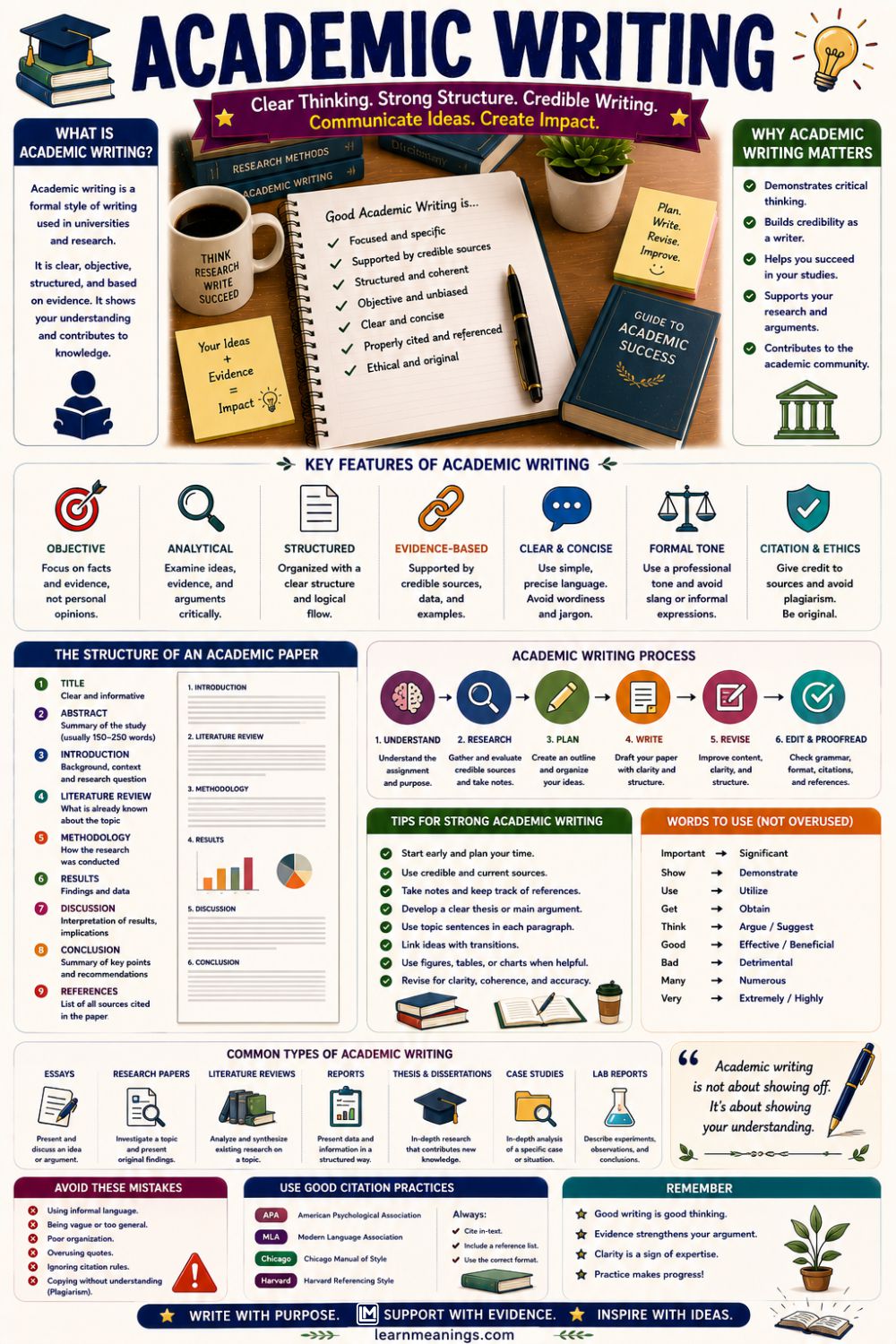
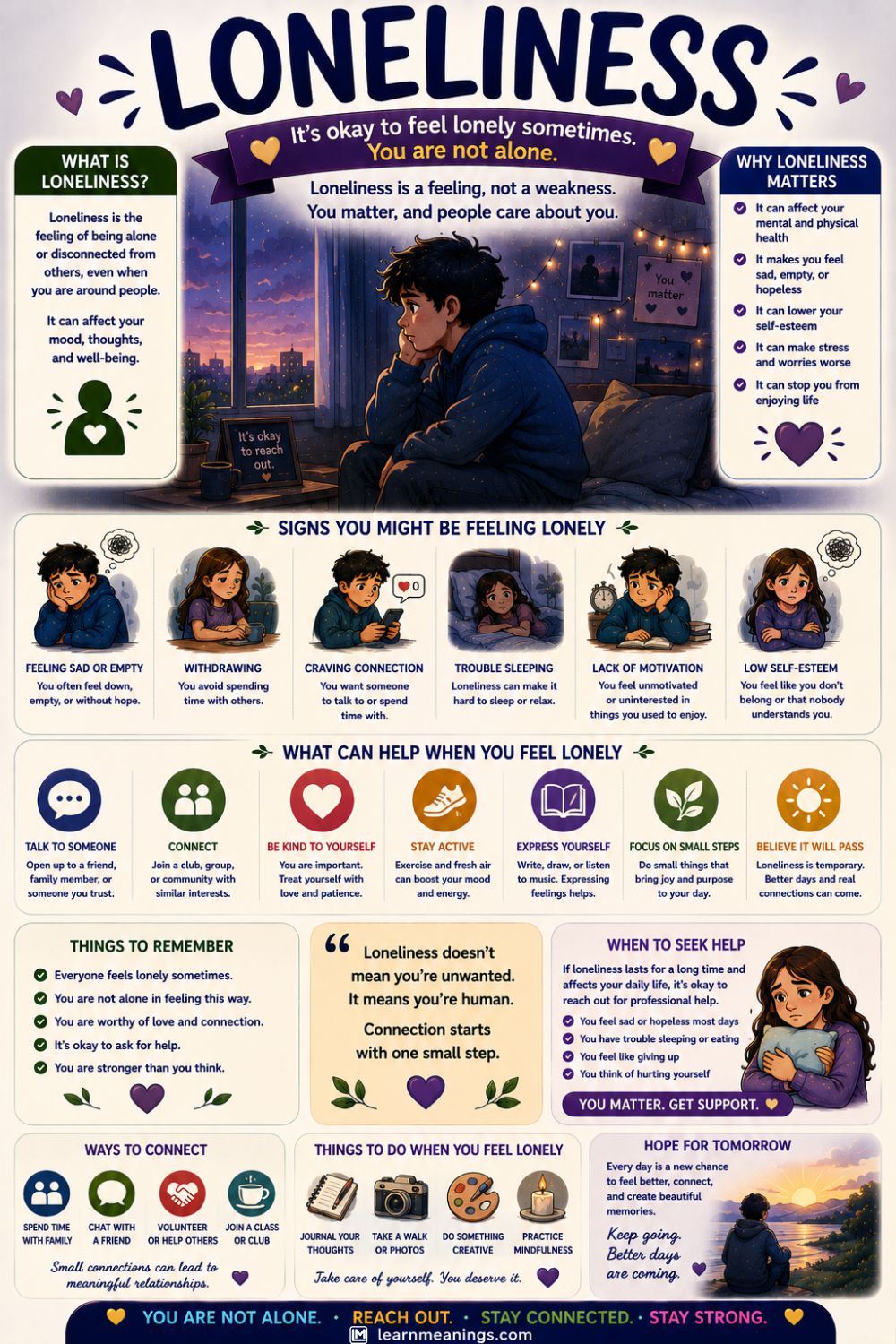


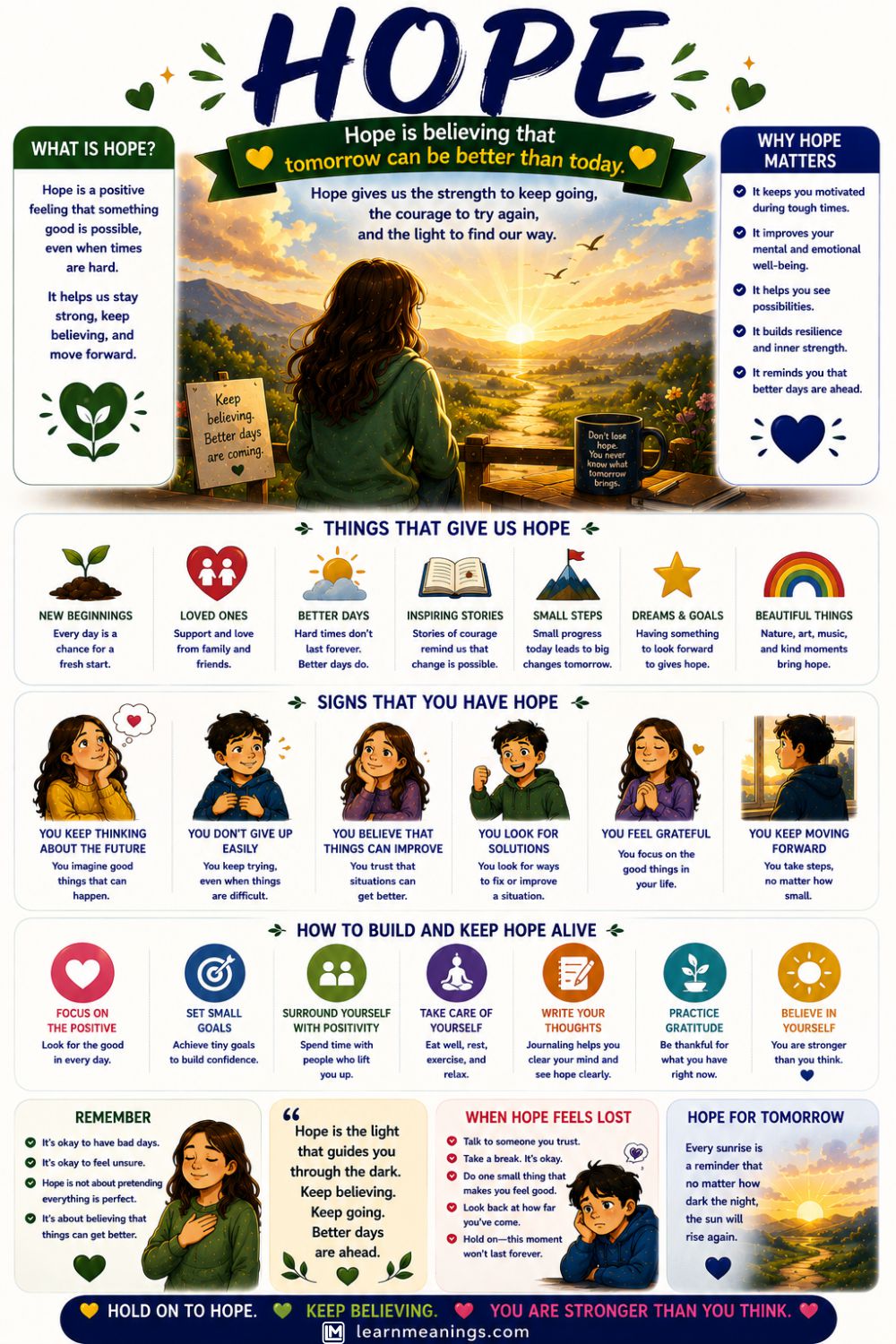
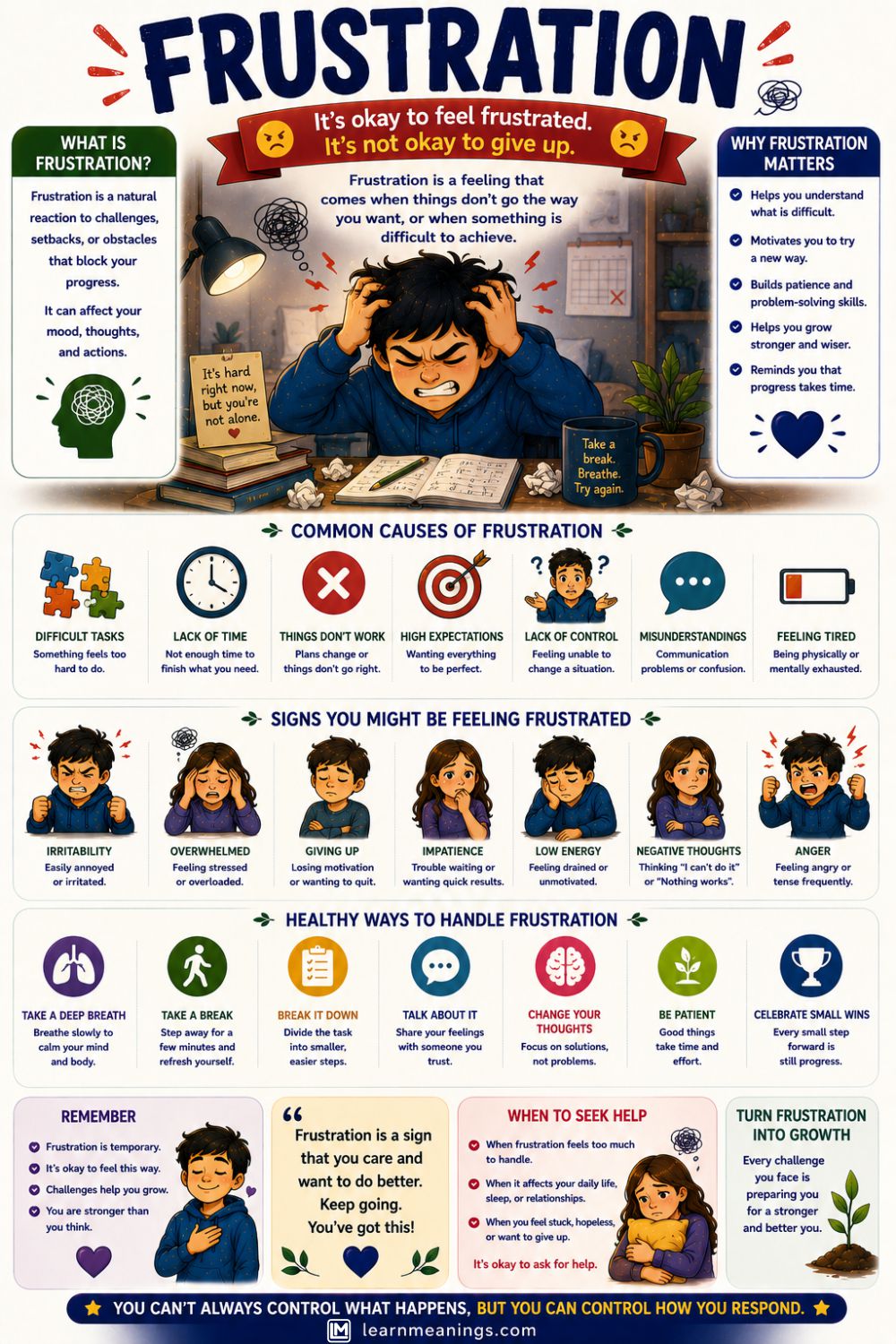

Explore our extensive dictionary using different filters and categories.
Take this 50-question quiz to test your vocabulary knowledge.
1. If a victory is 'sweeping', what is it like?
2. Which word is most appropriate for describing a private, cubicle-like desk in a library?
3. If an idea is 'pragmatic', what is true about it?
4. If a surface is so rough it could scratch your skin, which word is best?
5. What does it mean if a river is 'torrential'?
6. If a law is 'immutable', what is true about it?
7. Which word is an academic term for refusing to believe something because it is so surprising?
8. When a new industry is just beginning to develop, it is called what?
9. Which adjective describes an outfit that mixes many different patterns, eras, and styles?
10. If a conflict is described as 'asymmetric', it means:
11. Which word describes weather that is pleasantly warm and soothing?
12. If an employee gave new life to a failing project, they _____ it.
13. Which sentence is most appropriate for an academic paper?
14. Which word describes a drink that is bubbly and gives off bubbles of gas?
15. Which adjective describes a bleak, cold, and depressing loneliness?
16. Which word describes a charmingly old-fashioned and cute place?
17. What is the difference between 'cresting' and 'breaking'?
18. What is the grammatical error in the sentence: 'The library was very hushly.'?
19. Which word describes a friend whose soul and interests perfectly match your own?
20. Which word describes a massive pile of discovered treasure or artifacts?
21. When referring to a challenge that allows zero errors, it is called...
22. Which adjective describes a mountain with a sharp, zigzagged edge like a saw?
23. If a hotel lobby is extremely fancy and richly decorated, it is:
24. Which sentence is most appropriate for an academic essay about botany?
25. Which word specifically means feeling deeply insulted and irritated by an unfair situation?
26. Which word describes food that is pleasantly sharp and tangy, not just painful?
27. What does 'piquant' imply about a dish's flavor?
28. Which sentence is most appropriate for a professional review of a Michelin-star restaurant?
29. Which word describes a friend who provides stability and keeps you grounded?
30. Which word describes a joke or laugh that easily spreads to others?
31. What is the 'Vertigo-effect'?
32. What is the difference between 'candid' and 'tactful'?
33. What does 'ephemeral' imply about a nostalgic memory?
34. When pairing a word with 'chocolate cake' to indicate it is extremely rich, which is best?
35. What is the best word to describe someone whose energy is calm, stable, and unshakeable?
36. Which word describes the part of a story that evokes pity or sadness?
37. If an old person is physically weak and frail, they are:
38. If a poet wants to describe relief as a gentle calming effect, which metaphorical word is commonly used?
39. Which word describes a situation that is extremely urgent and desperate?
40. When writing a description of a winter morning, which word pairs well with 'air' to describe a clean, sharp feeling?
41. Which word describes a shape that is perfectly round in 3D, like a planet?
42. Which of the following is a cliché to avoid in writing?
43. Which word best describes a bad-tempered, argumentative, and uncooperative person?
44. Which adjective describes a building foundation that is perfectly solid and structurally safe?
45. If a character is 'crestfallen', what are they doing?
46. Which word describes an object that is literally impossible to destroy?
47. Which word is an academic term for food that is acceptable and pleasing, but not exceptional?
48. Which word describes light that shines unsteadily, like a fire or candle?
49. Which word describes a landscape that is barren, empty, and lifeless, often mirroring a sad mood?
50. Which sentence correctly uses a creativity adjective?
An adjective is a word that modifies or describes a noun or pronoun. It provides more information about the noun, such as its size, shape, color, origin, or material. For example, in the phrase "the red car," "red" is the adjective describing the noun "car."
Sensory adjectives are descriptive words that appeal to the five senses: sight, sound, smell, taste, and touch. Instead of saying something is "good," a sensory adjective like "succulent" tells you exactly how it tastes. They are the secret to immersive, "show, don't tell" writing.
"Very" is a lazy modifier. Instead of saying "very tired," you can say "exhausted." By replacing "very + adjective" with a single, strong adjective, your writing becomes more concise, confident, and impactful.
Comparative adjectives are used to compare differences between two objects (e.g., "taller," "more beautiful"). Superlative adjectives are used to compare three or more objects, indicating the highest or lowest degree of a quality (e.g., "tallest," "most beautiful").
To improve your descriptive writing, read widely to expose yourself to new vocabulary, use a thesaurus to find stronger synonyms, and practice "showing, not telling." Focus on using specific sensory details rather than generic terms to make your writing more vivid and engaging.
