Bring your writing to life. Discover evocative adjectives to describe people, places, emotions, and things with precision and flair.
Engage your reader's senses. The best descriptions go beyond what we can just see.
Build complex, realistic characters with these precise personality adjectives.
Compassionate
Showing sympathy and concern for others.
Resilient
Able to withstand or recover quickly from difficult conditions.
Charismatic
Exercising a compelling charm that inspires devotion in others.
Astute
Having an ability to accurately assess situations.
Arrogant
Having or revealing an exaggerated sense of one's own importance.
Cynical
Believing that people are motivated purely by self-interest.
Impulsive
Acting or done without forethought.
Obstinate
Stubbornly refusing to change one's opinion or chosen course of action.
Don't just describe what your character looks like. Describe who they are.
Swap generic words for precise, powerful alternatives.
Avoid
Very big
Use Instead
Gargantuan
Avoid
Very small
Use Instead
Minuscule
Avoid
Very happy
Use Instead
Euphoric
Avoid
Very cold
Use Instead
Frigid
See how the right describing words can completely change a sentence's mood.
"The man walked into the room. He looked mad."
"The brooding man strode into the dim room, his expression thunderous."
"She ate the food. It was good."
"She savored the rustic dish, delighted by its robust, savory flavors."


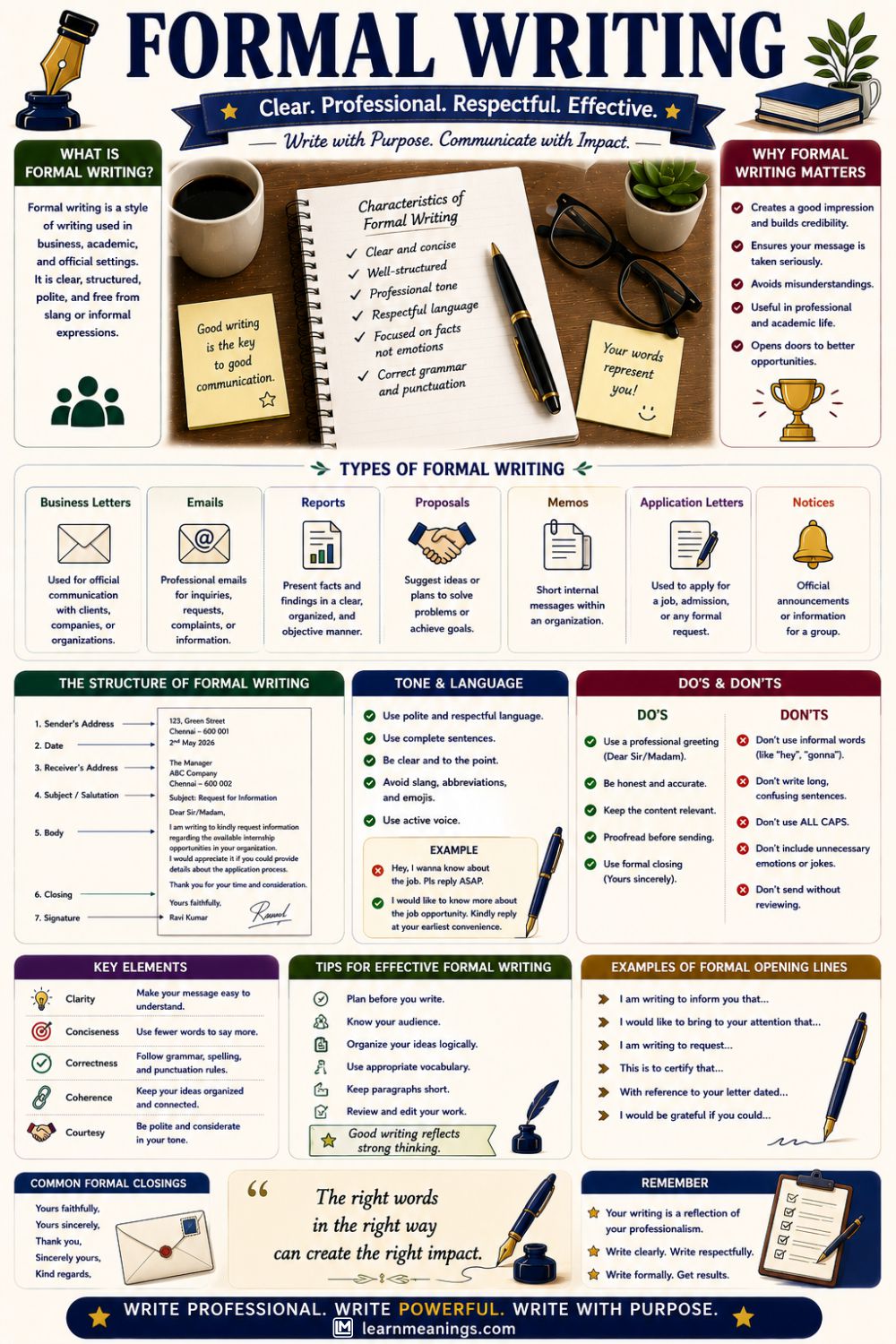


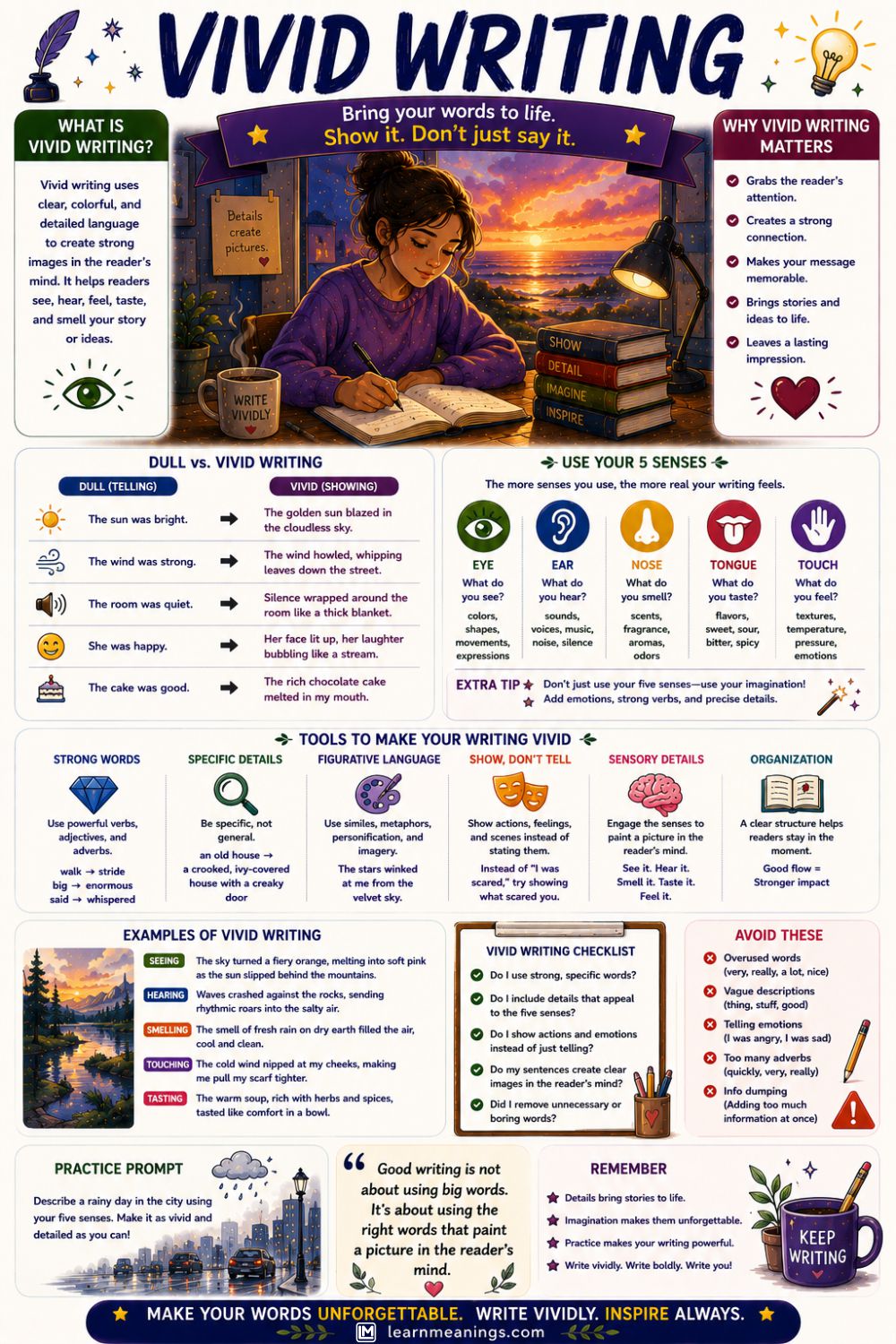


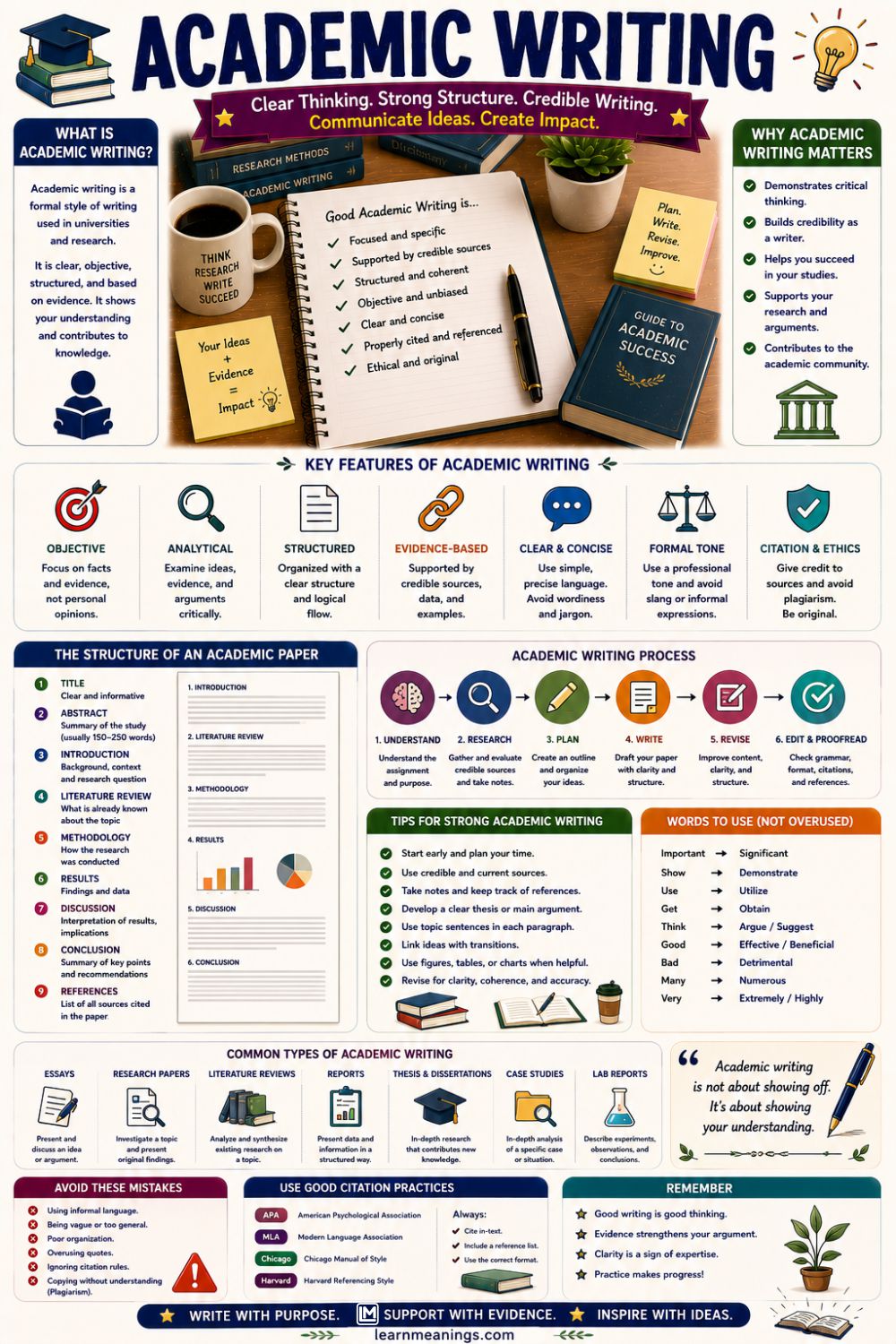


Explore our extensive dictionary using different filters and categories.
Take this 50-question quiz to test your vocabulary knowledge.
1. In a formal essay, what is a good adjective to replace 'really freezing'?
2. When writing a literary analysis, which word pairs well with 'resolution' to describe the end of a story?
3. If someone's cheeks are 'flushed,' what does that mean?
4. Which word specifically describes food that is overwhelmingly sweet to the point of being sickening?
5. Which adjective describes skin that is unpleasantly damp, cold, and sweaty?
6. If a flower has a 'velvety' texture, how does it feel?
7. Which adjective describes a sky that makes you feel awe because it is so massive?
8. Which word describes dry, dead leaves that crumble easily?
9. In dance, which word describes the technique of focusing the eyes on a fixed point to prevent dizziness during turns?
10. What is the difference between 'humid' and 'muggy'?
11. When pairing a word with 'latte' to indicate a smooth, soft texture, which is best?
12. Which adjective describes a study environment that is austere, quiet, and dedicated to work?
13. When describing a peaceful, completely calm forest, which word is used?
14. A group of people who blindly follow authority without individual thought can be described as:
15. Which word describes a small collection of essential, versatile pieces that all match?
16. If a crowd suddenly pushes powerfully forward, they:
17. If a forest has trees packed tightly together, it is what?
18. Which word describes a passionate, intense energy fueled by strong emotion?
19. Which word describes a sharp, harsh smell that burns the nose, like smoke?
20. Which word describes a fabric that is very light, thin, and almost transparent?
21. When referring to a tiny, leftover trace of a once-huge building, which word fits?
22. Which word refers to a rare, unusual, or intriguing object?
23. Which sentence is grammatically correct?
24. When describing a conflict that is stubborn and resists all resolution, which word is correct?
25. If a wind makes a 'soughing' sound, what does it sound like?
26. In a literary essay, which term describes a weak, over-refined, and lacking vigor character?
27. Which sentence is most appropriate for an academic essay?
28. What is the effect of a 'telephoto' lens?
29. If the sky is 'brooding', what is the mood?
30. Which of the following is a formal, academic way to say 'dull and unimaginative'?
31. Which word describes a photo that uses very few elements and relies on negative space?
32. When pairing a word with 'soundtrack' to indicate it sounds like a movie, which is best?
33. Which adjective describes eyes that glow softly from within?
34. Which word means narrowly avoiding a disaster, bringing relief?
35. In literature, which word describes a person who fights for their goals and doesn't let go?
36. Which of the following is a highly formal adjective for an incredibly delicious pastry?
37. Which word describes a competitor who is smooth, clever, and highly skillful?
38. If someone is 'down in the dumps', how are they feeling?
39. Which word describes someone who is clever and quick with humorous words?
40. Which word describes a color that is so bright it almost hurts the eyes?
41. If a team survives a crisis and comes out hopeful, they are:
42. Which sentence is grammatically correct and avoids contradictions?
43. Which word describes a trip that is physically exhausting and demanding?
44. Which adjective describes the integration of human biology and machines?
45. Which word describes a smile that is so charming it makes it impossible to stay angry?
46. If a writer wants to describe a place that looks like a perfect painting, which word is best?
47. A character who has fallen from favor due to a scandal is best described as:
48. Which of the following is a formal term for books printed before 1501 AD?
49. Which adjective describes a dark, grimly mocking type of humor?
50. If a space is 'tucked away', what is true?
An adjective is a word that modifies or describes a noun or pronoun. It provides more information about the noun, such as its size, shape, color, origin, or material. For example, in the phrase "the red car," "red" is the adjective describing the noun "car."
Sensory adjectives are descriptive words that appeal to the five senses: sight, sound, smell, taste, and touch. Instead of saying something is "good," a sensory adjective like "succulent" tells you exactly how it tastes. They are the secret to immersive, "show, don't tell" writing.
"Very" is a lazy modifier. Instead of saying "very tired," you can say "exhausted." By replacing "very + adjective" with a single, strong adjective, your writing becomes more concise, confident, and impactful.
Comparative adjectives are used to compare differences between two objects (e.g., "taller," "more beautiful"). Superlative adjectives are used to compare three or more objects, indicating the highest or lowest degree of a quality (e.g., "tallest," "most beautiful").
To improve your descriptive writing, read widely to expose yourself to new vocabulary, use a thesaurus to find stronger synonyms, and practice "showing, not telling." Focus on using specific sensory details rather than generic terms to make your writing more vivid and engaging.
