Bring your writing to life. Discover evocative adjectives to describe people, places, emotions, and things with precision and flair.
Engage your reader's senses. The best descriptions go beyond what we can just see.
Build complex, realistic characters with these precise personality adjectives.
Compassionate
Showing sympathy and concern for others.
Resilient
Able to withstand or recover quickly from difficult conditions.
Charismatic
Exercising a compelling charm that inspires devotion in others.
Astute
Having an ability to accurately assess situations.
Arrogant
Having or revealing an exaggerated sense of one's own importance.
Cynical
Believing that people are motivated purely by self-interest.
Impulsive
Acting or done without forethought.
Obstinate
Stubbornly refusing to change one's opinion or chosen course of action.
Don't just describe what your character looks like. Describe who they are.
Swap generic words for precise, powerful alternatives.
Avoid
Very big
Use Instead
Gargantuan
Avoid
Very small
Use Instead
Minuscule
Avoid
Very happy
Use Instead
Euphoric
Avoid
Very cold
Use Instead
Frigid
See how the right describing words can completely change a sentence's mood.
"The man walked into the room. He looked mad."
"The brooding man strode into the dim room, his expression thunderous."
"She ate the food. It was good."
"She savored the rustic dish, delighted by its robust, savory flavors."


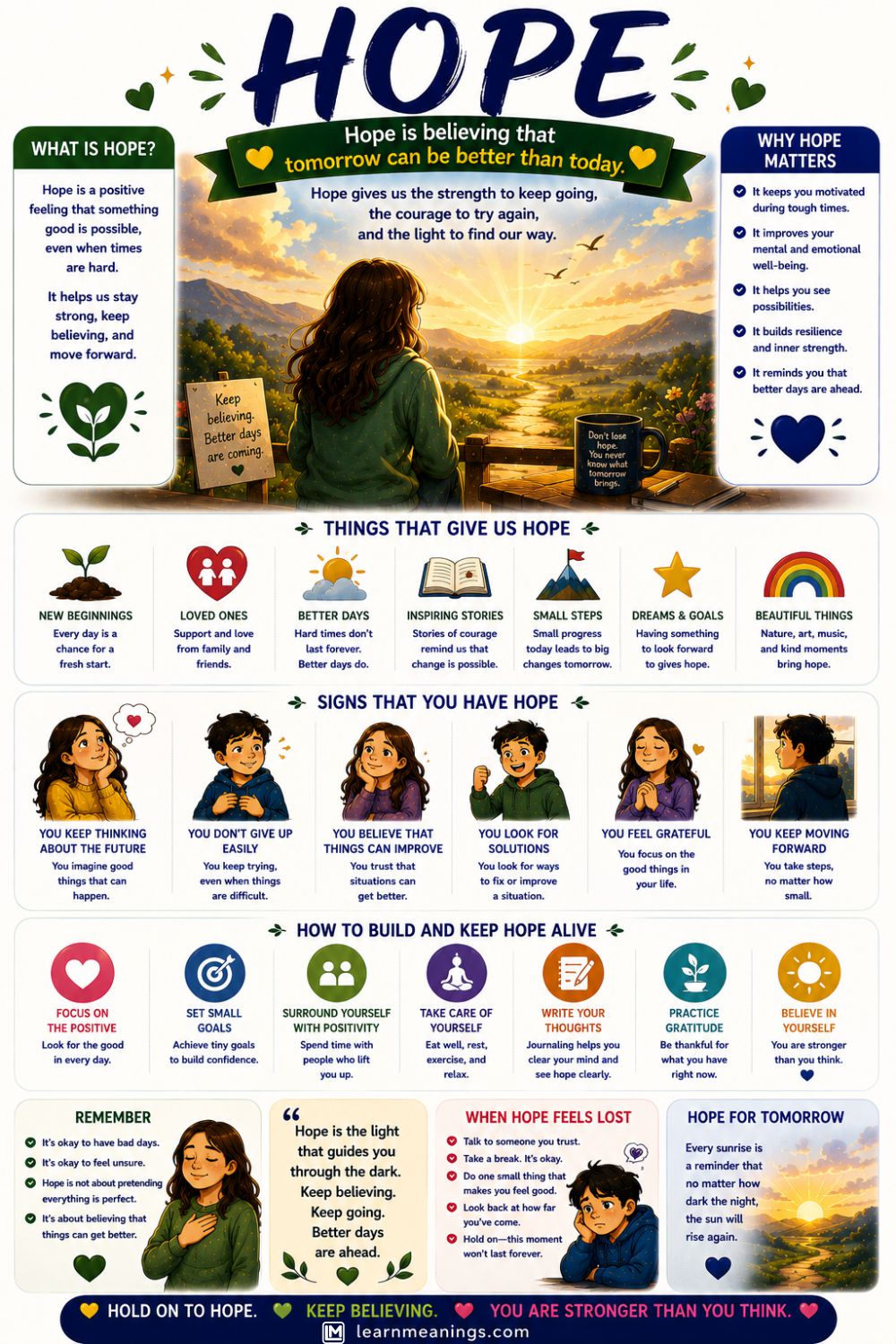
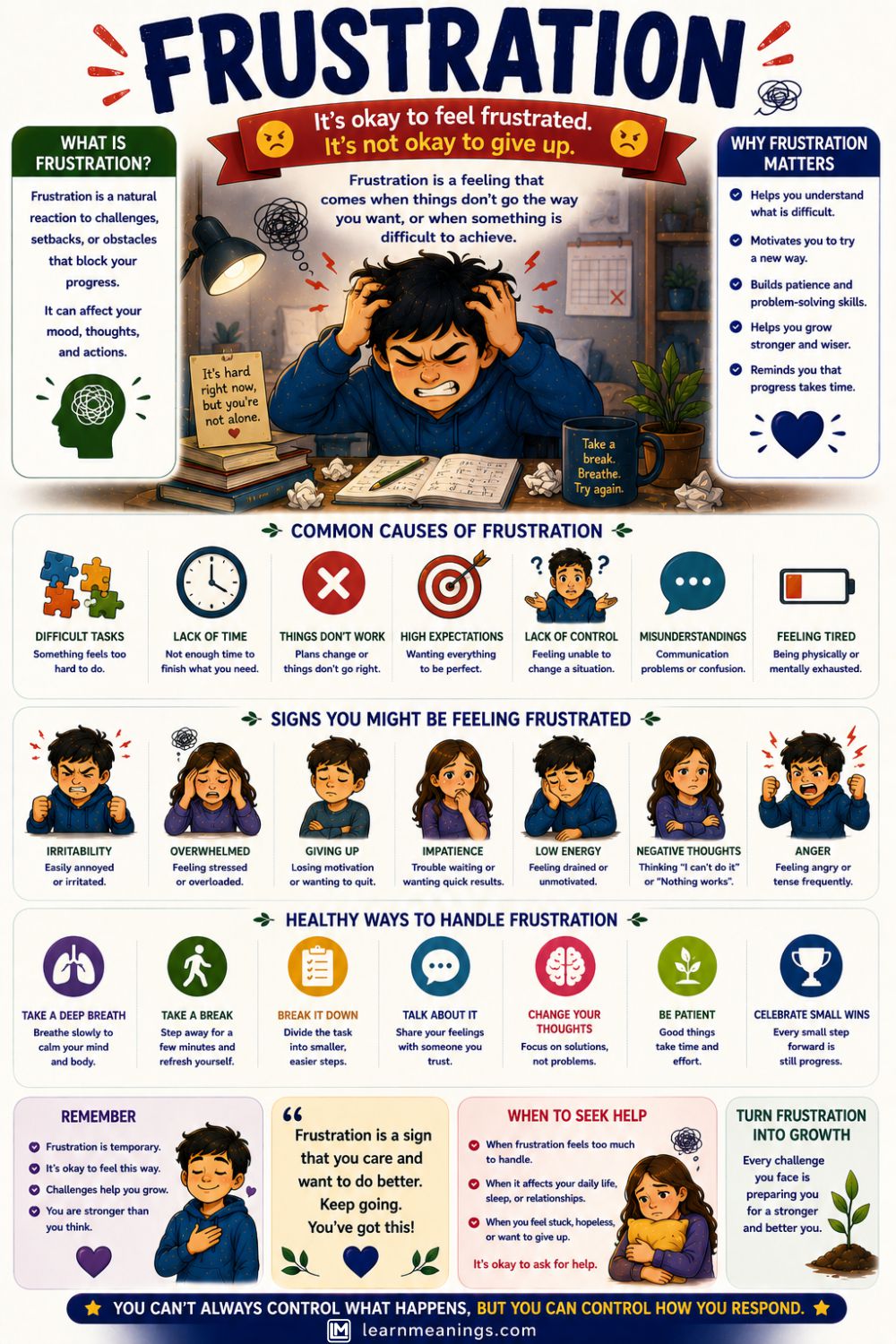
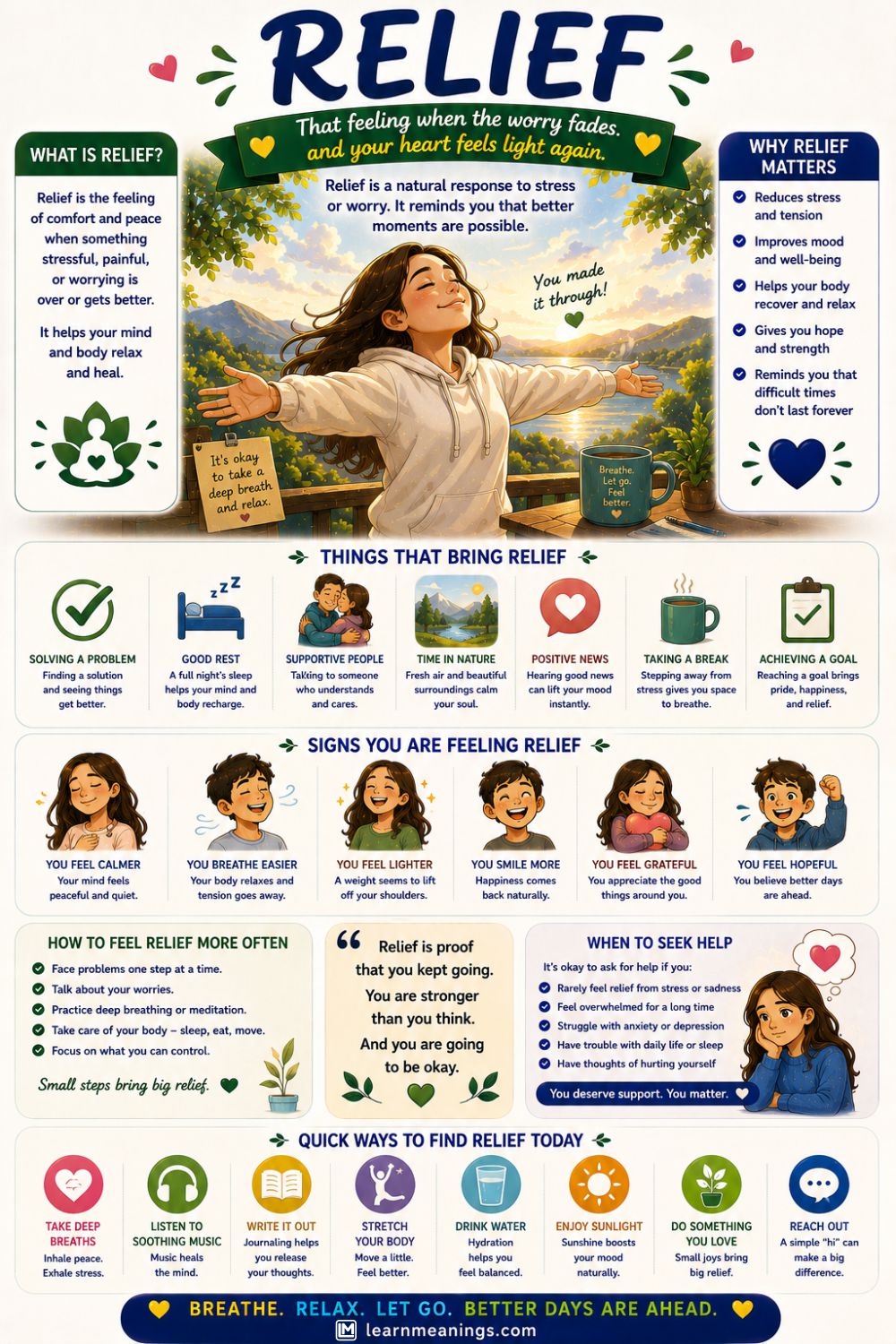
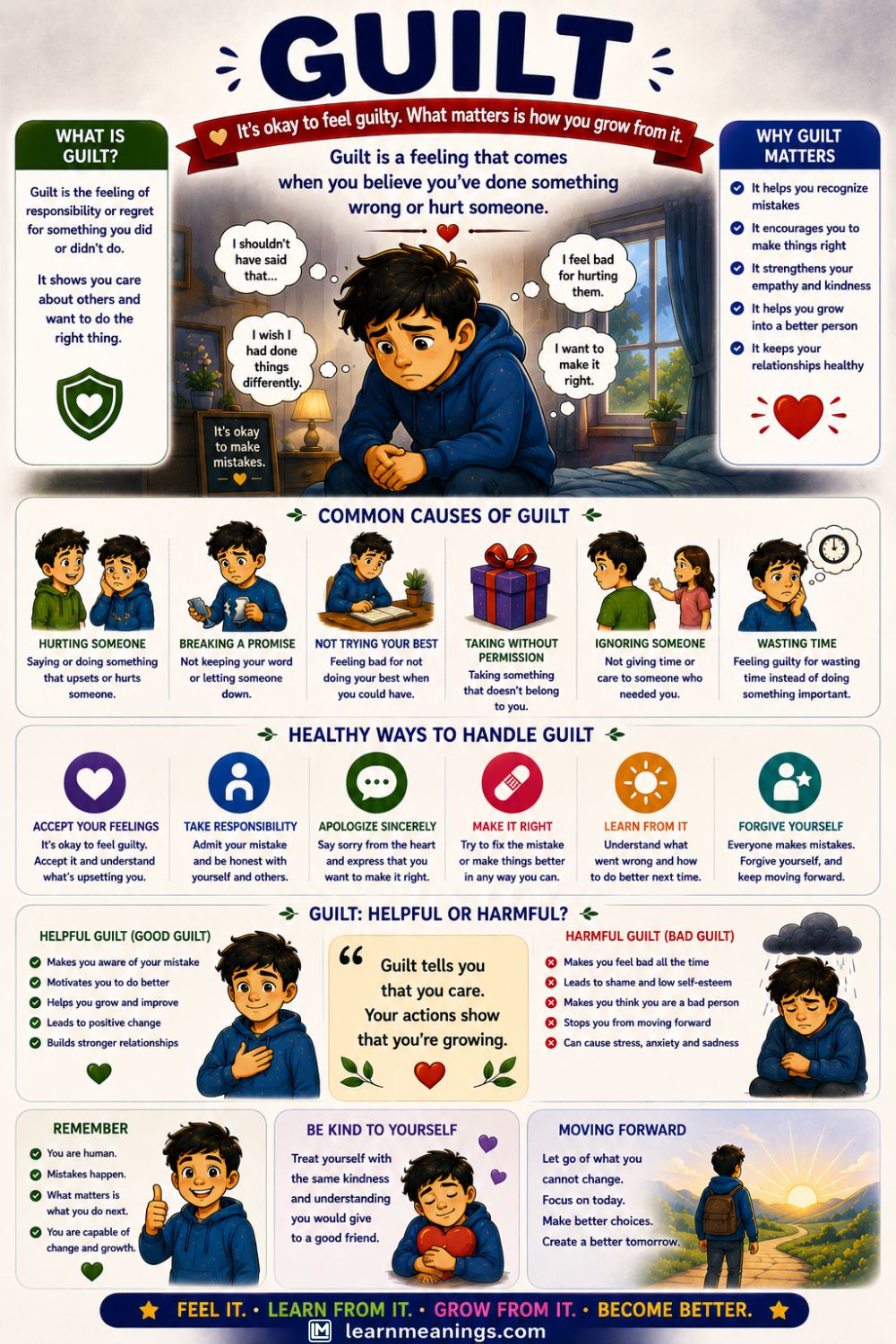




Explore our extensive dictionary using different filters and categories.
Take this 50-question quiz to test your vocabulary knowledge.
1. What does 'bespoke' imply about a piece of furniture?
2. What does 'subzero' imply about the snow?
3. A room that is completely free of mess and provides a calm, open feeling is best described as:
4. Which word describes humor that is curious or unusual in a way that provokes dry amusement?
5. If a challenge is 'momentous,' what is true about it?
6. Which word describes a character who is stubbornly refusing to change their mind?
7. In literature, which word describes wind that blows loudly and roughly in sudden bursts?
8. Which word means completely soaked or covered in sunlight?
9. If a product is 'ergonomic,' what has it been designed for?
10. What is the best word to describe a custom-made, unique suit?
11. Which word describes an agent who understands and shares the customer's feelings?
12. If a design has all elements perfectly lined up in rows and columns, it is:
13. Which sentence is most appropriate for a professional product launch?
14. Which word specifically means music that creates a feeling of intense happiness?
15. Which of the following is a formal term for building a business with no outside investment?
16. Which word describes a severe snowstorm with high winds?
17. What is the difference between 'abandoned' and 'vacant'?
18. What does 'liminal' imply about a transformation?
19. Which word describes the glamorous, geometric 1920s design style?
20. Which preposition is most grammatically correct in formal writing: 'I am excited ___ the trip.'?
21. Which adjective describes clouds that are thin, frail, and feather-like?
22. Which adjective describes a transformation that is given new life and energy?
23. Which of the following is an academic, literary way to say 'deeply sad and touching'?
24. A person who demands absolute obedience and acts like a tyrant is:
25. What does it mean if a task is 'unforgiving'?
26. Which sentence is most appropriate for a professional resume?
27. Which adjective describes an environment that is strange, quiet, and unsettling?
28. If a building has an 'ethereal' quality, how does it look?
29. If the tide is 'ebbing,' what is it doing?
30. What does it mean if a dish is 'subpar'?
31. Which word describes a dry, granular texture that crumbles easily, like an unripe apple?
32. What is the best word for a building that is old, broken, and falling apart?
33. Which word would best replace 'clear' in a formal literary analysis?
34. When writing a performance review, which word pairs well with 'resolved' to describe a fixed problem?
35. If an essay is 'impenetrable,' what does that mean?
36. In a formal product description, what is a good adjective to replace 'really good'?
37. Which of the following is an academic term for an employee who is careful, thorough, and morally guided?
38. If a child is 'dawdling,' what are they doing?
39. What is the difference between 'monologue' and 'soliloquy'?
40. Which word describes a person's greatest and most unique masterpiece?
41. What is the key difference between a 'boss' and a 'leader'?
42. If a writer wants to describe the pleasant, sweet smell of a flower, which word is best?
43. What does it mean if a victory is 'inevitable'?
44. When writing a creative story, which word sets a messy, 90s rock-band tone?
45. Which of the following is a highly formal adjective for an incredibly delicious pastry?
46. Which of the following is an academic, formal way to say 'a very aggressive, attacking strategy'?
47. What is an 'addictive' spicy food?
48. Which of the following is a common mistake in writing about hope?
49. Which of the following best defines 'staccato'?
50. Which word is best for describing painfully, overwhelmingly hot food?
An adjective is a word that modifies or describes a noun or pronoun. It provides more information about the noun, such as its size, shape, color, origin, or material. For example, in the phrase "the red car," "red" is the adjective describing the noun "car."
Sensory adjectives are descriptive words that appeal to the five senses: sight, sound, smell, taste, and touch. Instead of saying something is "good," a sensory adjective like "succulent" tells you exactly how it tastes. They are the secret to immersive, "show, don't tell" writing.
"Very" is a lazy modifier. Instead of saying "very tired," you can say "exhausted." By replacing "very + adjective" with a single, strong adjective, your writing becomes more concise, confident, and impactful.
Comparative adjectives are used to compare differences between two objects (e.g., "taller," "more beautiful"). Superlative adjectives are used to compare three or more objects, indicating the highest or lowest degree of a quality (e.g., "tallest," "most beautiful").
To improve your descriptive writing, read widely to expose yourself to new vocabulary, use a thesaurus to find stronger synonyms, and practice "showing, not telling." Focus on using specific sensory details rather than generic terms to make your writing more vivid and engaging.
