Explore curated word collections, themed lists, and daily challenges designed to help you master English one word at a time.
Top 500 most useful words every learner should know, structured by proficiency.
Explore Collection
Explore Collection
Explore Collection
Explore Collection
Explore Collection
Explore Collection
Explore Collection
Explore Collection


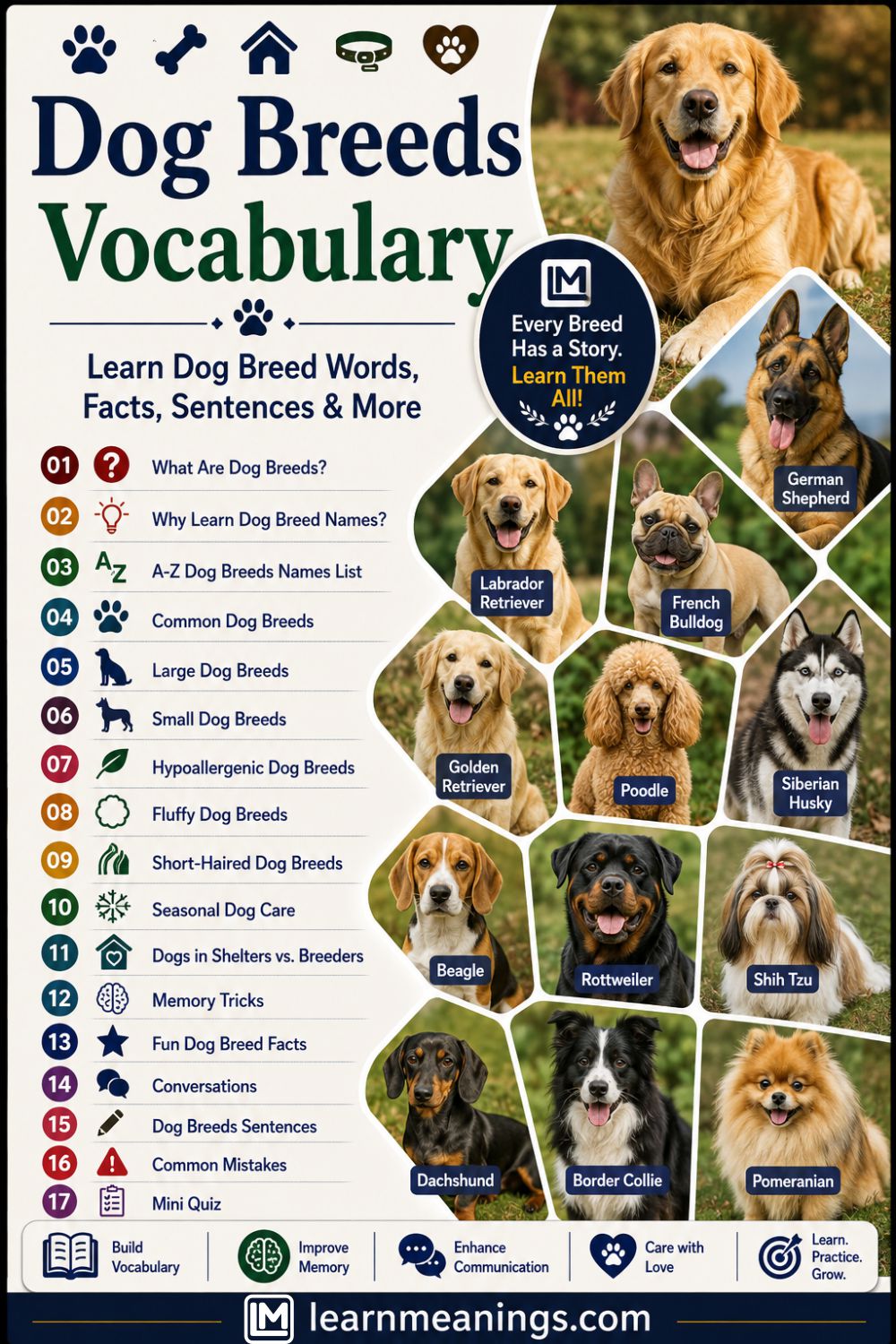
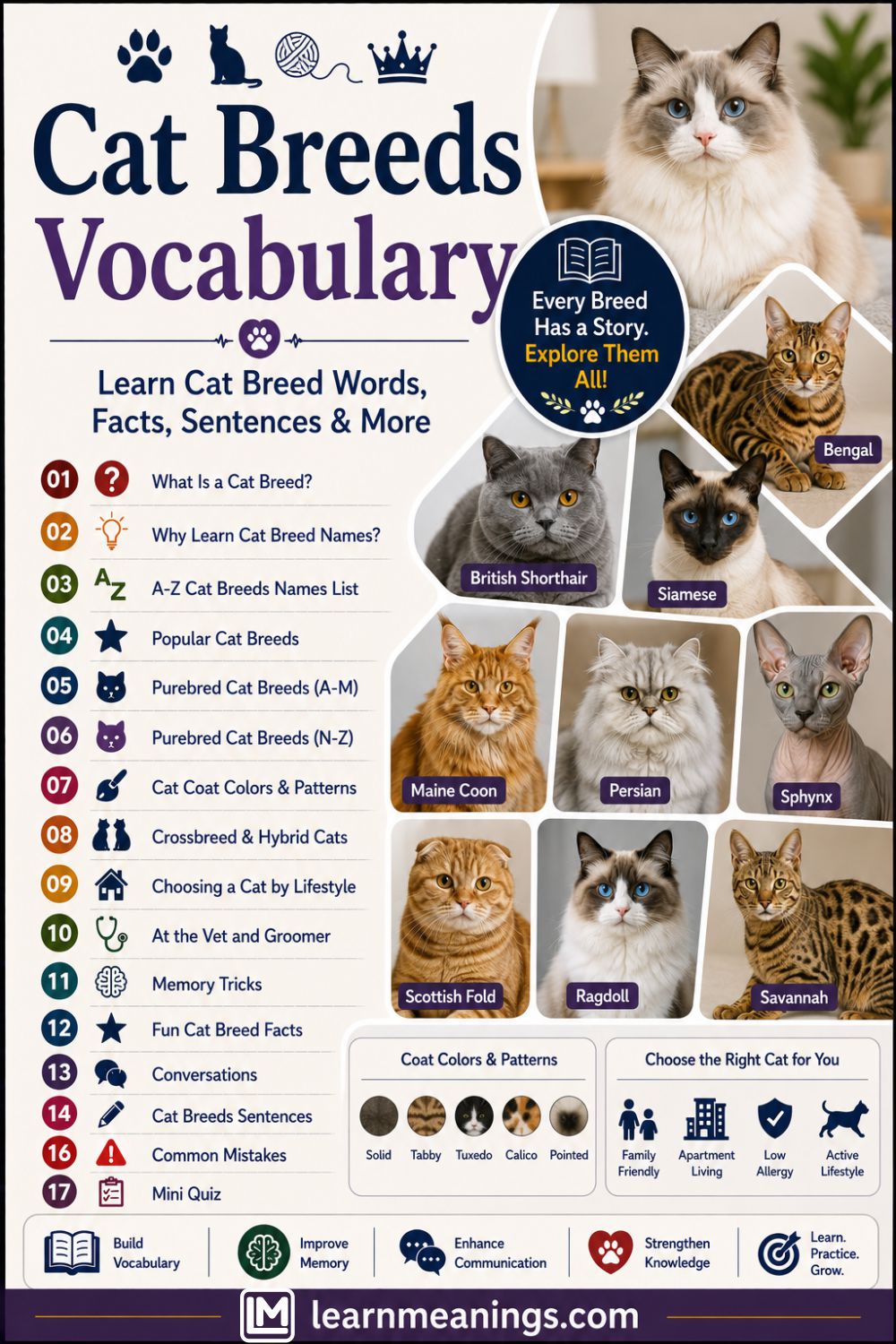
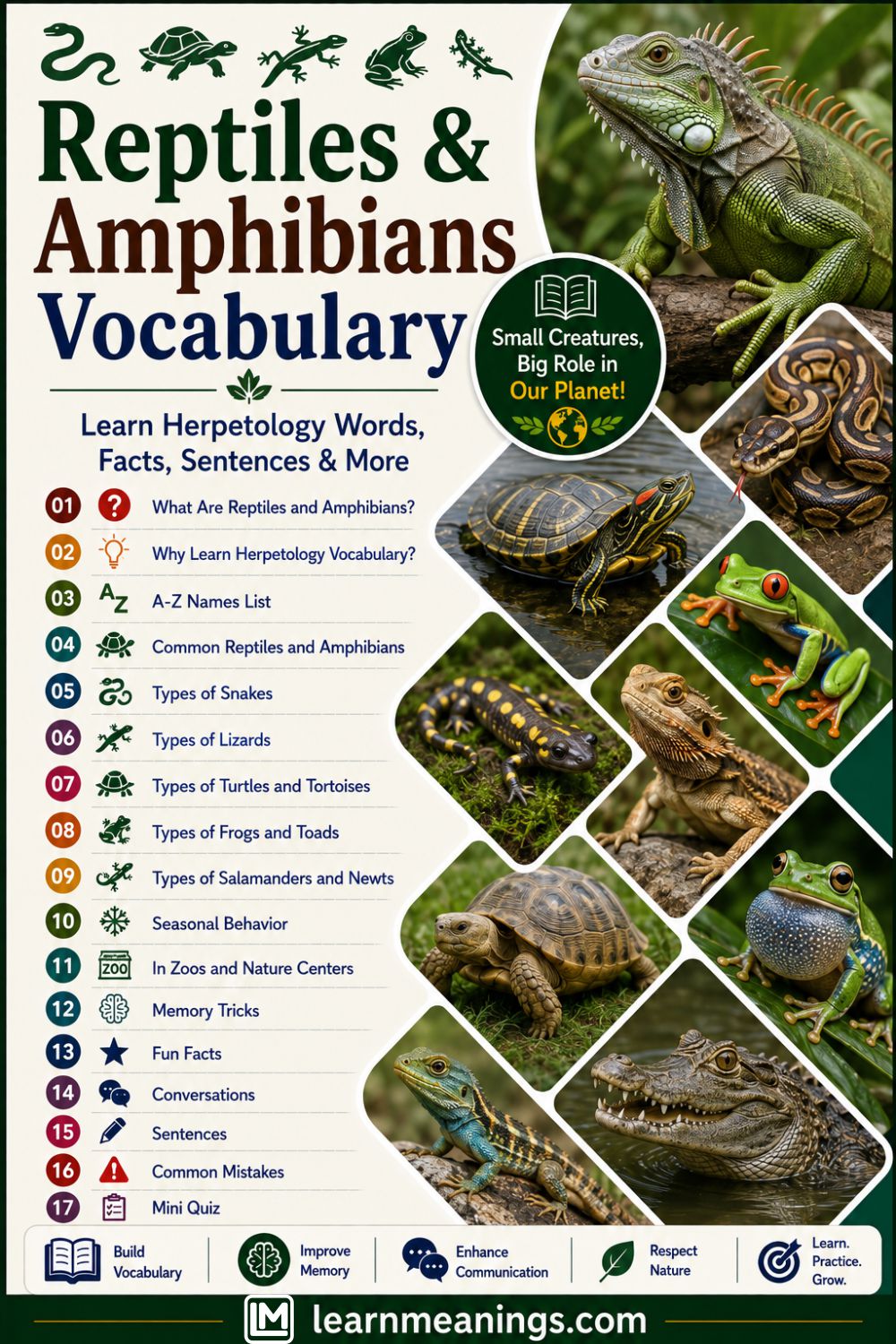
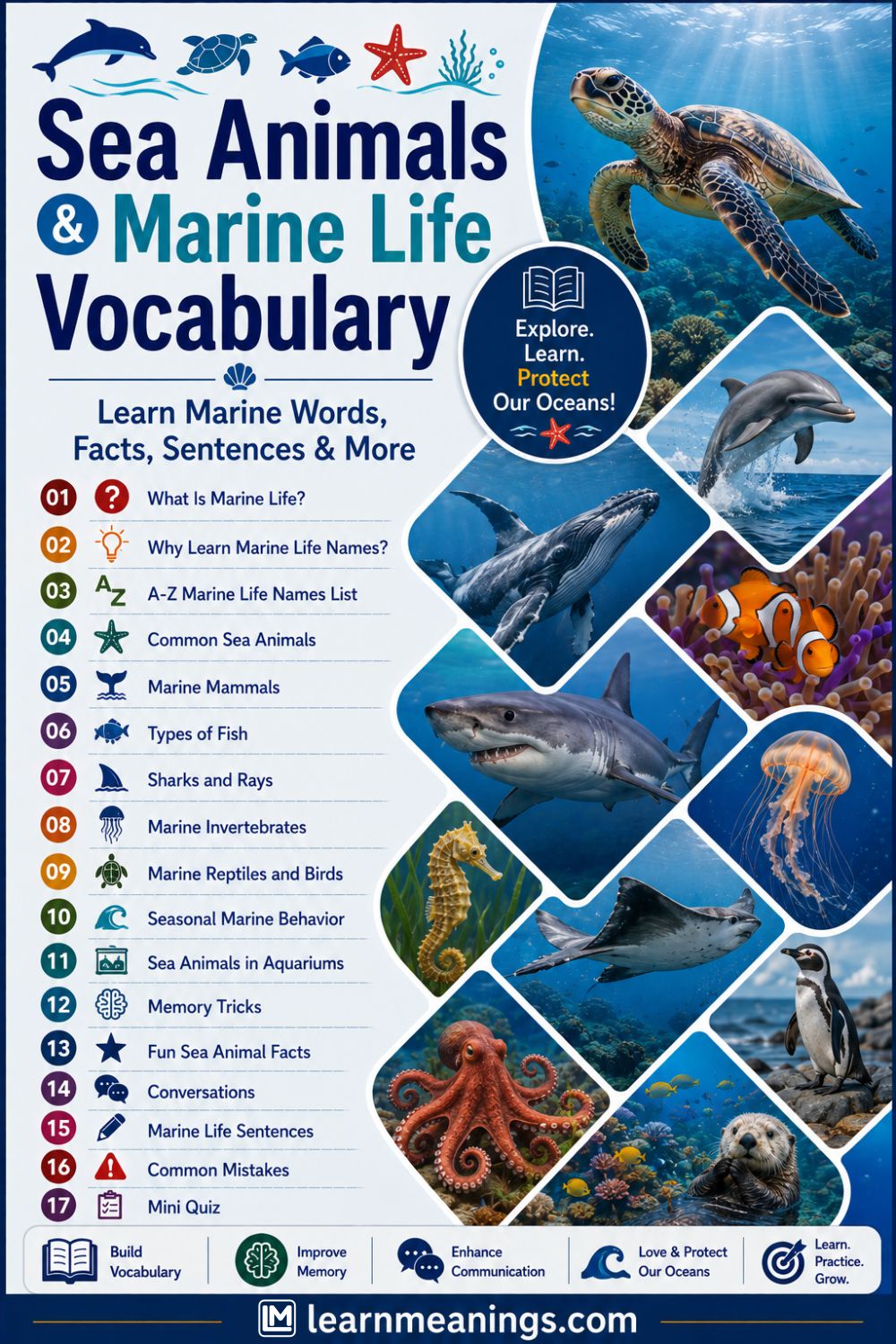
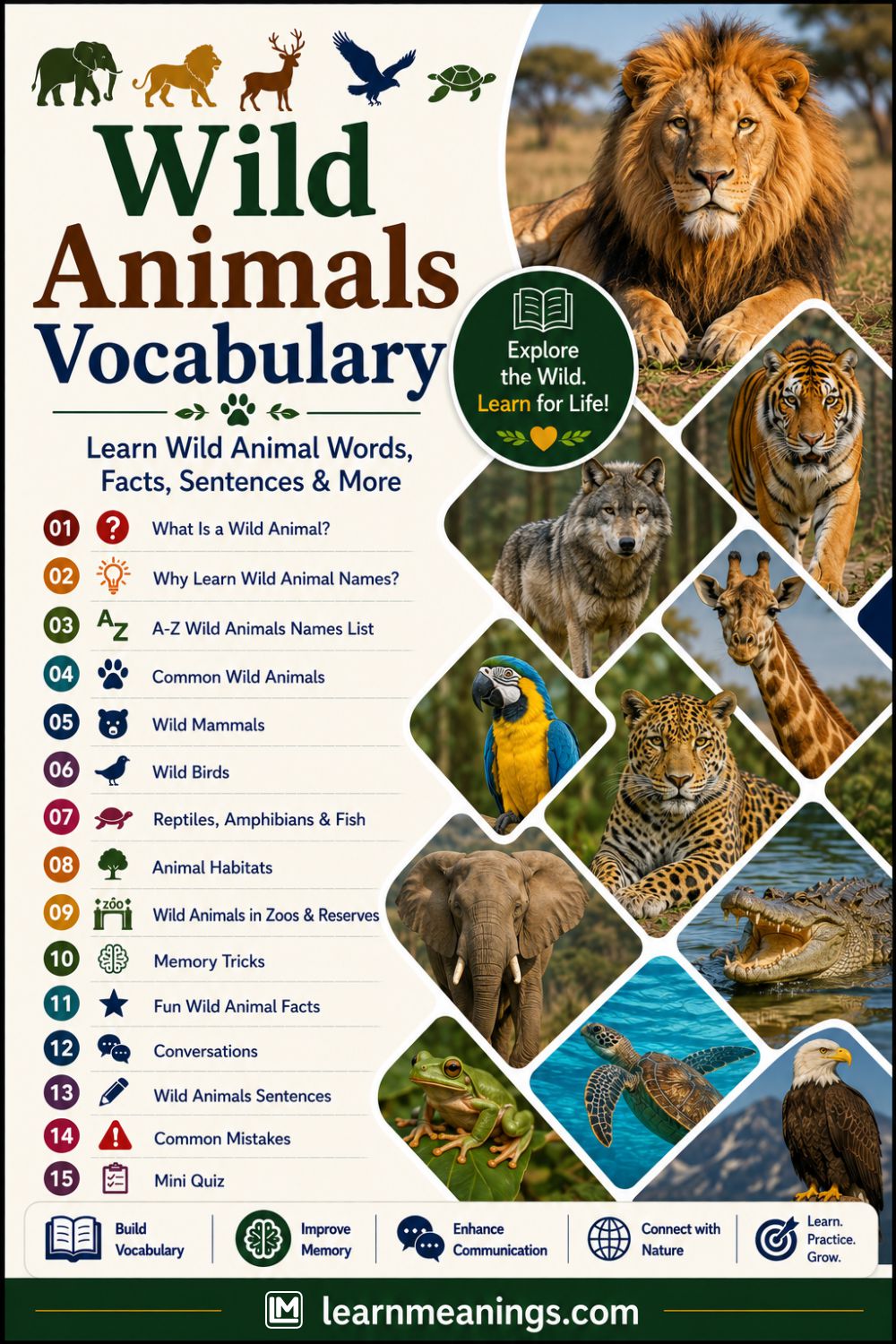
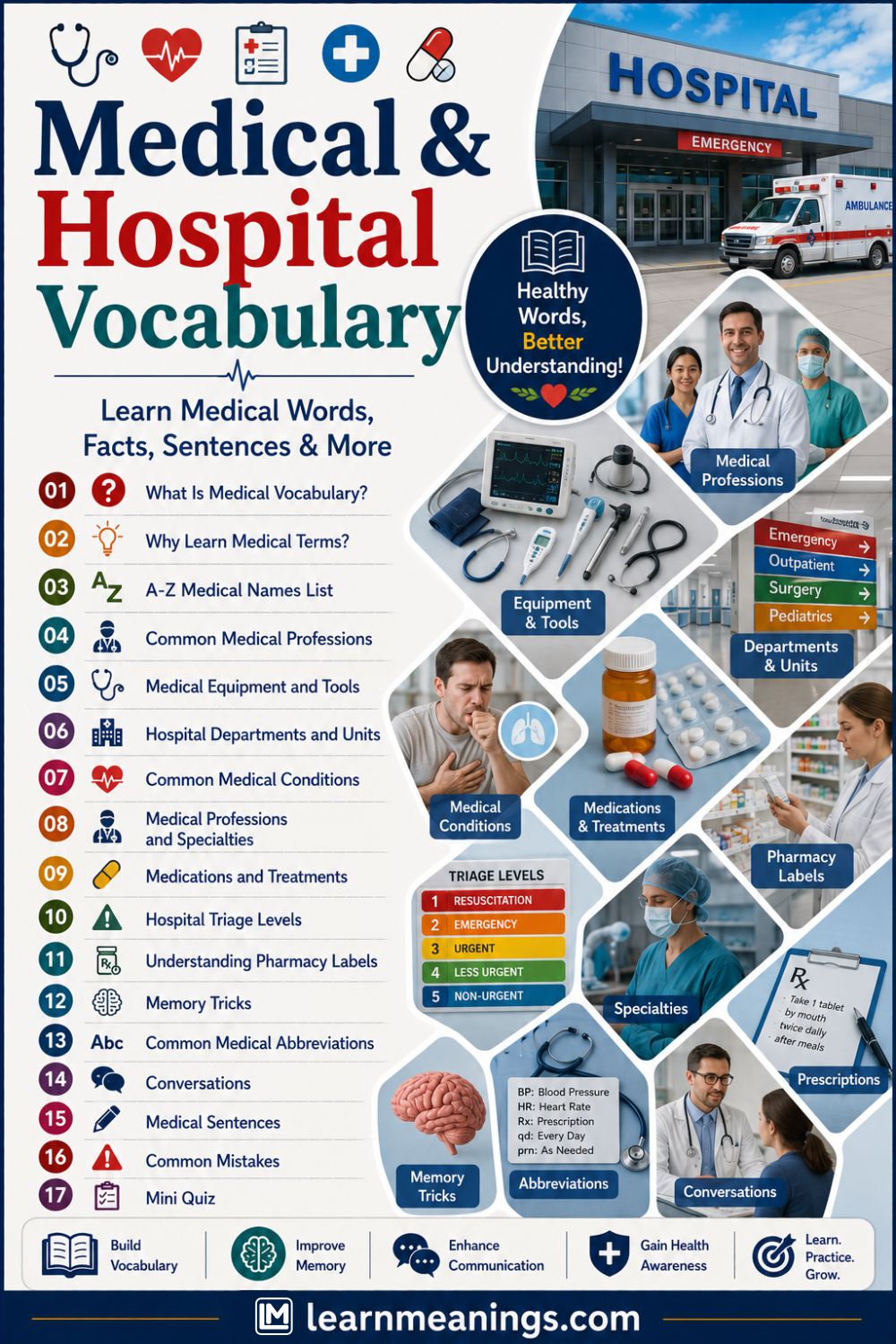
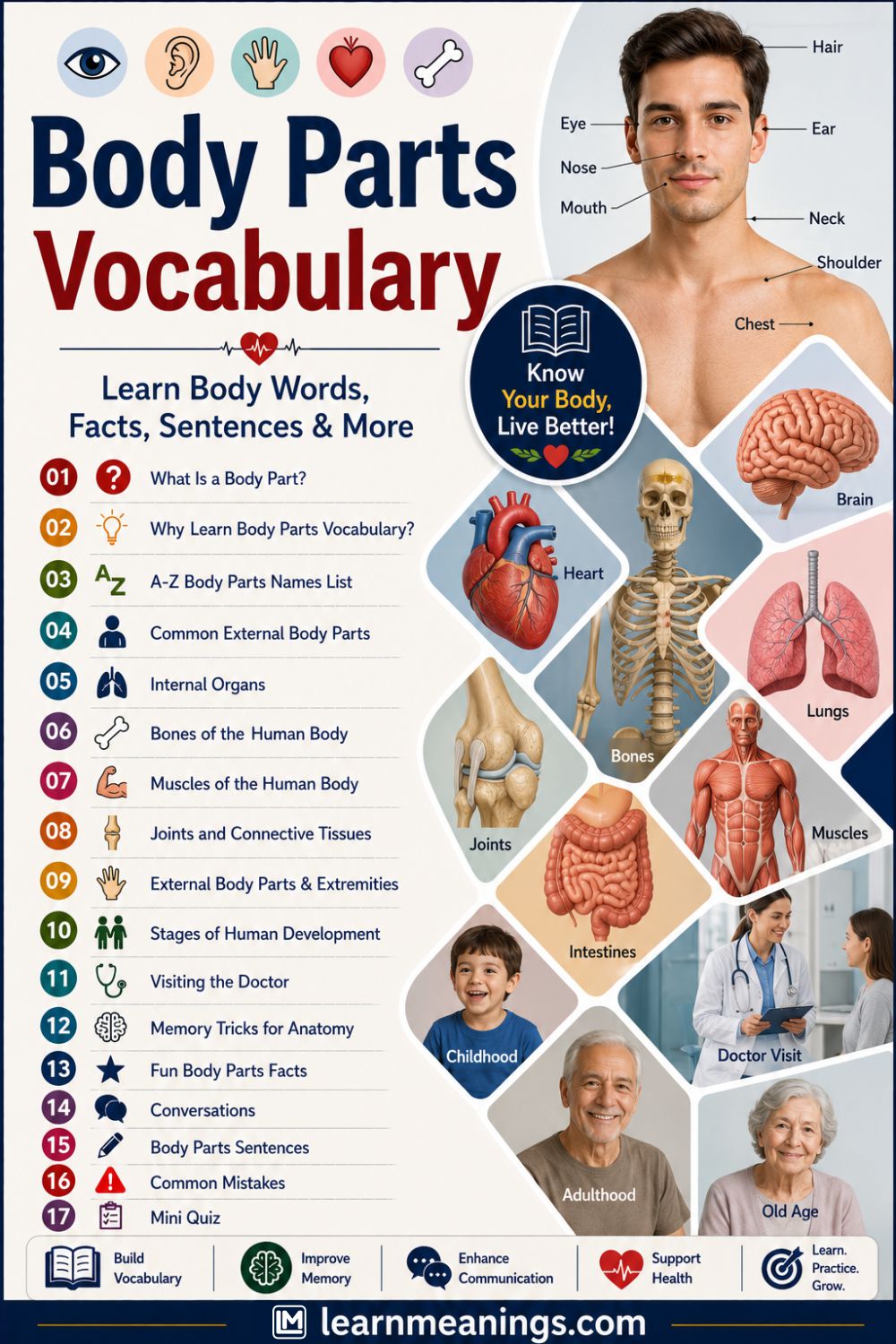
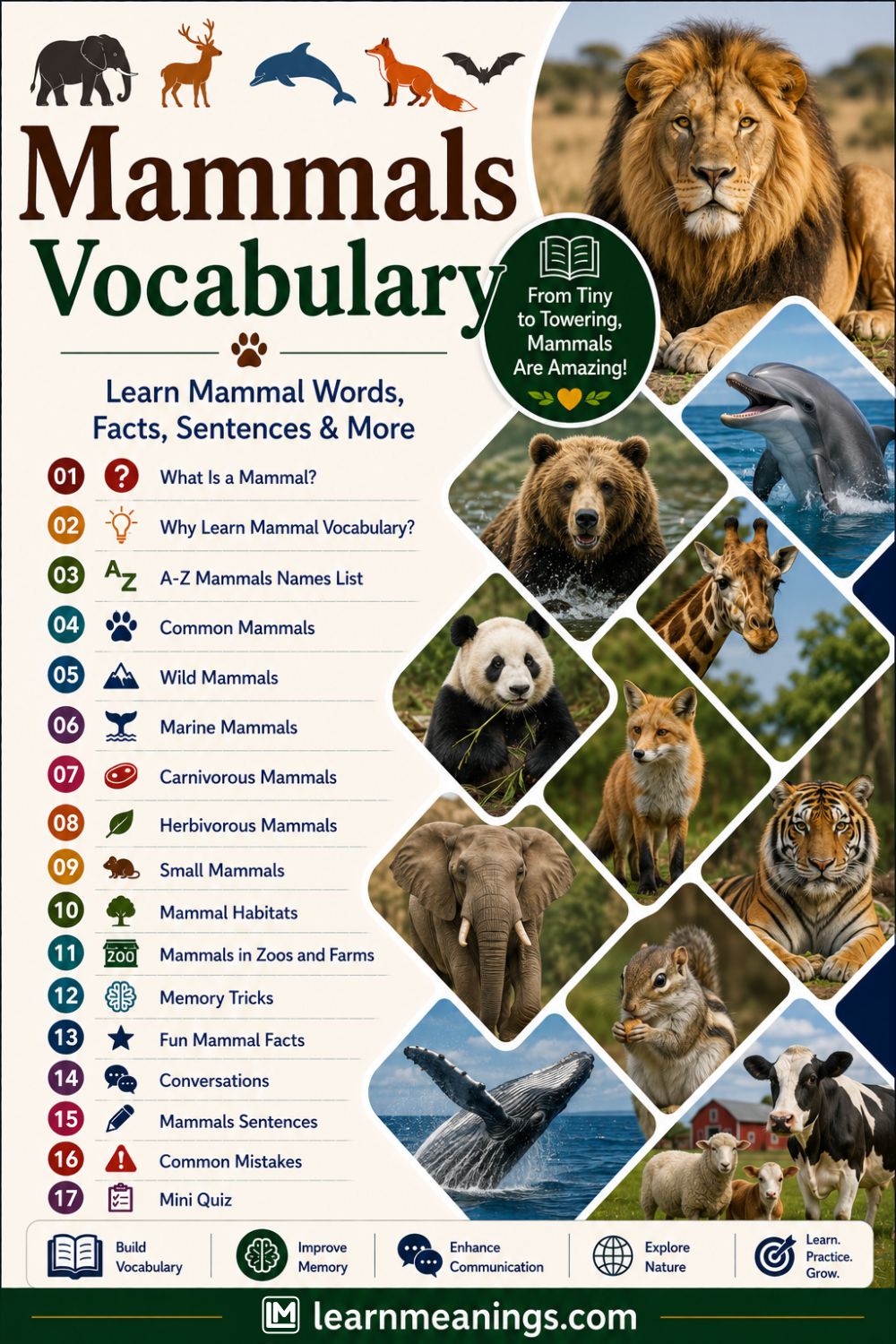

Explore our extensive dictionary using different filters and categories.
Proven strategies to make vocabulary stick.
Consistency is key. Learn at least 5 new words every day and review them regularly to build long-term memory.
Use physical or digital flashcards with the word on one side and the meaning/example on the other for active recall.
Read books, articles, and news in English. Context helps you understand how words are naturally used in sentences.
Watch English movies, listen to podcasts, and hear native speakers to grasp pronunciation and intonation effortlessly.
Write sentences or short paragraphs using new words. This reinforces learning and highlights areas needing improvement.
Use new vocabulary in conversations. Speaking out loud helps solidify your memory and builds confidence.
Take this 50-question quiz to test your vocabulary knowledge.
1. What is a 'moot'?
2. What is an apex predator?
3. Which verb means to consider carefully and assess the relative importance of factors?
4. What material is draped in loops as festive patriotic decoration?
5. What is a 'broadside' collision?
6. What is the main aromatic ingredient in traditional Chinese Five Spice?
7. If you 'turn your back on' someone, what are you doing?
8. What type of creature is Dracula?
9. What is a 'Hail Mary'?
10. What does 'break a leg' mean in the theater?
11. Which cooking method completely submerges food in hot oil?
12. To consider something important is to set great ____ by it.
13. If a teacher 'lectured' a student, what did the teacher do?
14. If you 'pay forward' a kindness, what do you do?
15. Which of the following is an asset?
16. In a sequence of 10 items, what is the position of the 9th item?
17. What is a 'folio' in hotel terms?
18. What does GOAT stand for?
19. What is the 'lavatory' on an airplane?
20. What is the dummy used to display clothes called?
21. Which of these animals is cold-blooded?
22. What is the main function of the diaphragm?
23. What is a 'fair catch'?
24. What is the process by which bears sleep through the winter?
25. What is the purpose of applying a 'crumb coat' to a cake?
26. In which subject would you learn to balance a chemical equation?
27. What is the best way to remove pet hair from dark clothing?
28. Which piece of furniture features a top that can be raised to create a higher work surface?
29. Which of these is a semi-synthetic fabric made from wood pulp?
30. What does it mean to 'take stock' of a situation?
31. Which bread is known for having a 'pocket' inside it?
32. What type of meat is 'Canadian bacon' made from?
33. What is 'chemotherapy'?
34. Calculus and Geometry are branches of which subject?
35. Which of the following fish is a massive flatfish prized for its thick, steak-like meat?
36. What is the day after Thanksgiving called?
37. What is the bony plate that covers and protects a fish's gills?
38. What is a 'rip-off'?
39. What should you do to a spilled liquid on a carpet to prevent it from setting?
40. What is a 'respawn'?
41. Which soil amendment is primarily used to retain moisture and suppress weeds on the surface of the soil?
42. Which reaction is responsible for the browning of bread and searing of meat?
43. What does an SSD use to store data?
44. Which of the following is a cold-blooded pet?
45. What is the difference between a tornado watch and a tornado warning?
46. If you are experiencing 'bewilderment', how do you feel?
47. Which fish has a transparent body, allowing you to see its backbone?
48. Which term describes small brown spots on the skin caused by the sun?
49. Which of these is a deep-sea fish known for its rich, buttery flesh, often sold as 'black cod'?
50. Which document must you sign on the back of to transfer a check?
While native English speakers know between 20,000 and 30,000 words, you only need around 3,000 to 5,000 word families to understand about 95% of everyday conversations and texts. Fluency is more about mastering the core words and their multiple contexts than just memorizing thousands of rare terms.
Passive vocabulary consists of the words you understand when you read or hear them, but might not use yourself. Active vocabulary consists of the words you can comfortably recall and use in speaking or writing. The goal of vocabulary practice is to move words from your passive memory into your active vocabulary.
It depends on your goals. If you are moving to or working with the US, learn American English. If you are going to the UK, learn British English. However, the core vocabulary is 99% identical. Focus on learning standard English first, and pick up regional variations later.
Consistency is key. Learn at least 5 new words every day and review them regularly. Use flashcards, read extensively, and try to use new words in your own sentences. Contextual learning helps you remember words much better than rote memorization.
Learning words by topic helps your brain create semantic networks. When you learn related words together, you reinforce the category in your mind, making it easier to recall the specific words when you are talking about that subject.
