Explore curated word collections, themed lists, and daily challenges designed to help you master English one word at a time.
Top 500 most useful words every learner should know, structured by proficiency.
Explore Collection
Explore Collection
Explore Collection
Explore Collection
Explore Collection
Explore Collection
Explore Collection
Explore Collection

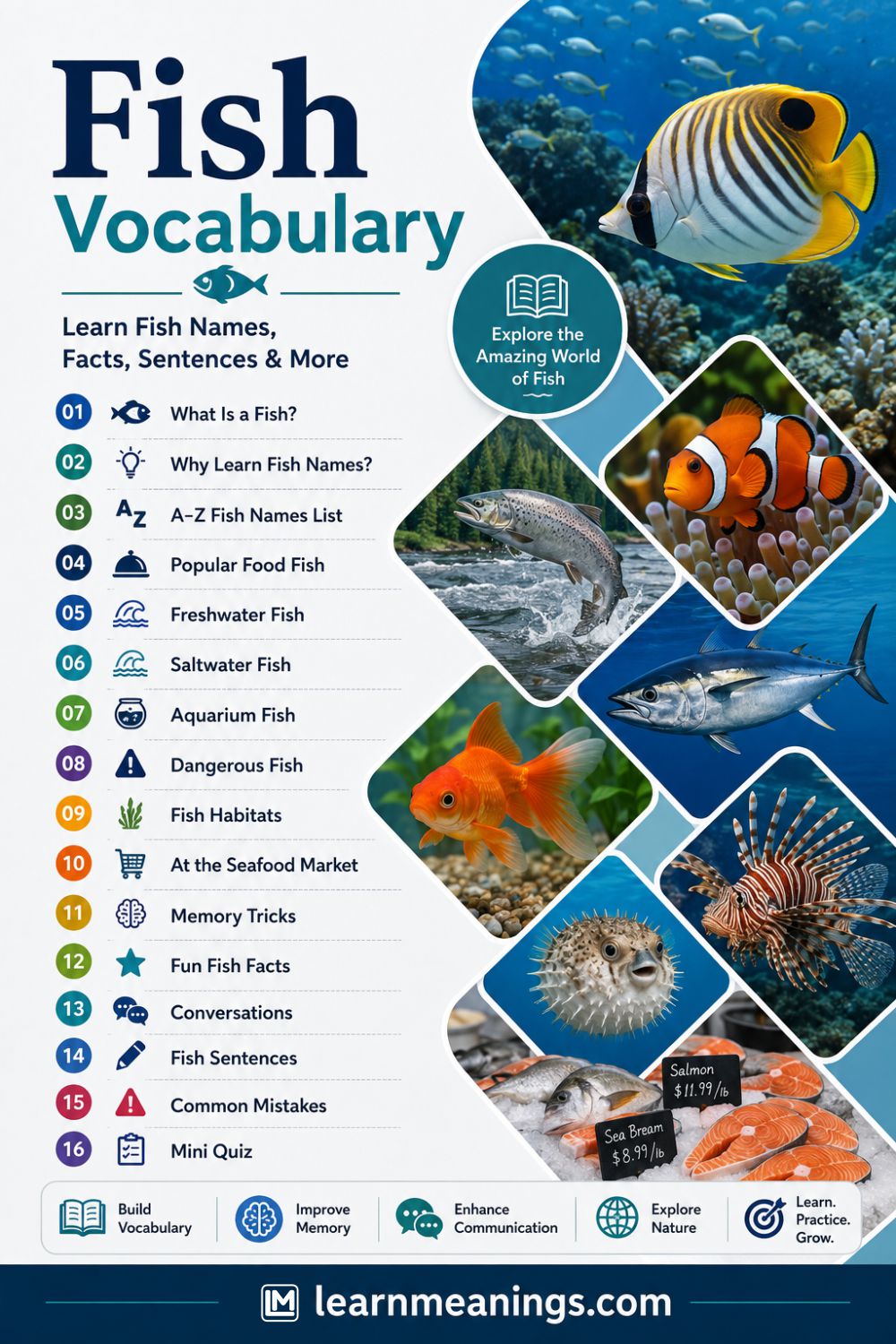
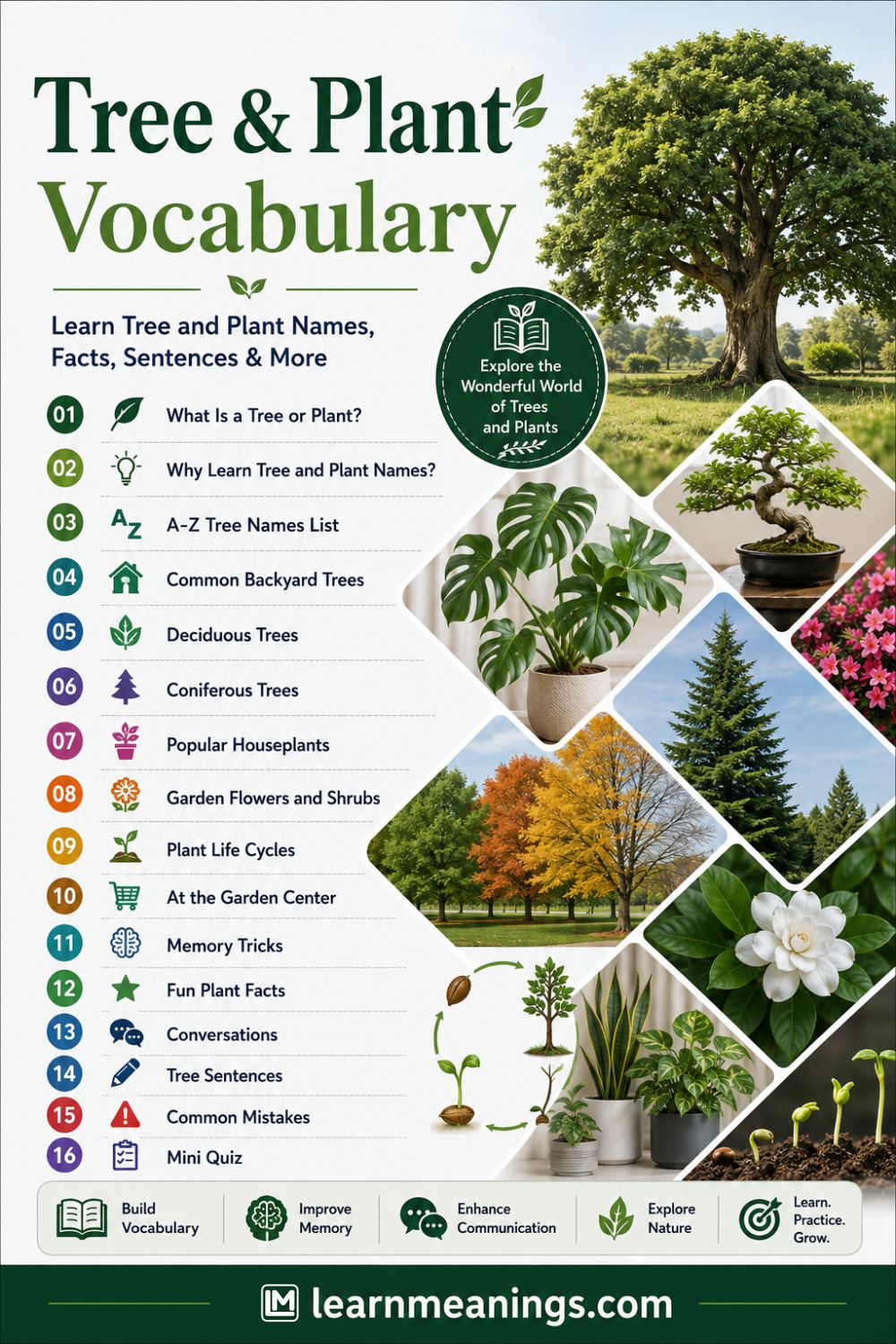


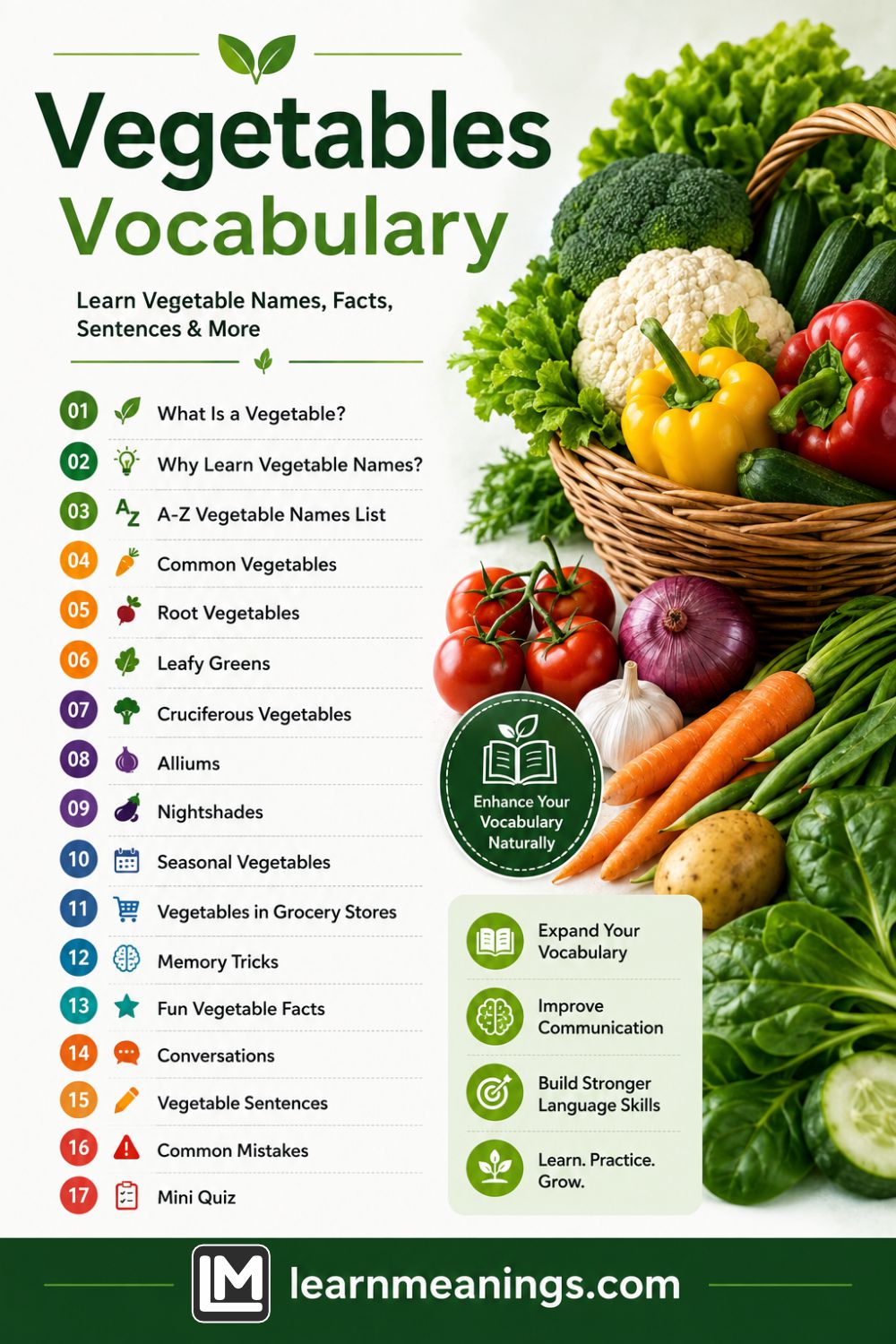


Explore our extensive dictionary using different filters and categories.
Proven strategies to make vocabulary stick.
Consistency is key. Learn at least 5 new words every day and review them regularly to build long-term memory.
Use physical or digital flashcards with the word on one side and the meaning/example on the other for active recall.
Read books, articles, and news in English. Context helps you understand how words are naturally used in sentences.
Watch English movies, listen to podcasts, and hear native speakers to grasp pronunciation and intonation effortlessly.
Write sentences or short paragraphs using new words. This reinforces learning and highlights areas needing improvement.
Use new vocabulary in conversations. Speaking out loud helps solidify your memory and builds confidence.
Take this 50-question quiz to test your vocabulary knowledge.
1. What happens when a phone line 'goes dead'?
2. To 'castigate' someone means to...
3. Which candy bar was named after a horse?
4. What is the 'runway' used for?
5. What is the Hawaiian name for the dolphinfish, often used in fish tacos?
6. Who controls the movement of trains and routes them safely?
7. What does it mean to 'corroborate' a finding?
8. What is the name of the McDonald's breakfast sandwich with a cracked egg, Canadian bacon, and cheese on an English muffin?
9. Which of the following is a pseudocereal, not a true grain?
10. What is the 'high season'?
11. What is a 'hypothesis'?
12. Which piece of equipment resembles a cannonball with a handle?
13. What does 'pay in kind' mean?
14. What is the name of the Jewish festival of lights?
15. Who is the person that scans your items and takes your payment?
16. What is a baby owl called?
17. Which of the following flowers is a wildflower?
18. What is the term for a set of clothing and bedding for a newborn?
19. What is the main ingredient in a chia pudding?
20. Which sauce is traditionally used to make Eggs Benedict?
21. What mechanical device allows a train to cross from one track to another?
22. Which animal can shoot a stream of foul-tasting blood from its eyes?
23. What is the largest species of bear?
24. Which piece of furniture is often placed by a window for a sunny spot to read?
25. If you 'keep an eye on' something, what are you doing?
26. Which of the following is a brand name that became synonymous with clear adhesive tape?
27. What do you call a magazine or newspaper published at regular intervals?
28. What does a 'bagger' do at a grocery store?
29. What is the function of a bicycle derailleur?
30. How long is the shot clock in the NBA?
31. What is the purpose of a 'rose' on a watering can?
32. What is a baby deer called?
33. Which sauce is named after a city in Thailand?
34. What is a 'ream' of paper?
35. Which rock makes up almost the entire ocean floor?
36. If you 'pre-treat' a shirt, what are you doing?
37. Which subject focuses on physical fitness and sports?
38. Which animal is known as the 'King of the Jungle' despite mostly living in savannahs?
39. If you 'keep track of' something, what are you doing?
40. If you 'pay no mind' to something, what do you do?
41. What is the main difference between a pot and a pan?
42. What device is used to remove a chain from the bike?
43. What type of milk is used to make a 'breve' latte?
44. Which fixture is used for washing the genital area after using the toilet?
45. Which tool is specifically designed to cut cold butter into flour for pie crusts?
46. Why do soft cheese knives often have holes in the blade?
47. What distinguishes a 'wedge' shoe from a standard high heel?
48. What does a 'toner cartridge' contain?
49. Which part is found at the back of a pickup truck?
50. If two people are 'arguing', what are they doing?
While native English speakers know between 20,000 and 30,000 words, you only need around 3,000 to 5,000 word families to understand about 95% of everyday conversations and texts. Fluency is more about mastering the core words and their multiple contexts than just memorizing thousands of rare terms.
Passive vocabulary consists of the words you understand when you read or hear them, but might not use yourself. Active vocabulary consists of the words you can comfortably recall and use in speaking or writing. The goal of vocabulary practice is to move words from your passive memory into your active vocabulary.
It depends on your goals. If you are moving to or working with the US, learn American English. If you are going to the UK, learn British English. However, the core vocabulary is 99% identical. Focus on learning standard English first, and pick up regional variations later.
Consistency is key. Learn at least 5 new words every day and review them regularly. Use flashcards, read extensively, and try to use new words in your own sentences. Contextual learning helps you remember words much better than rote memorization.
Learning words by topic helps your brain create semantic networks. When you learn related words together, you reinforce the category in your mind, making it easier to recall the specific words when you are talking about that subject.
