Explore curated word collections, themed lists, and daily challenges designed to help you master English one word at a time.
Top 500 most useful words every learner should know, structured by proficiency.
Explore Collection
Explore Collection
Explore Collection
Explore Collection
Explore Collection
Explore Collection
Explore Collection
Explore Collection

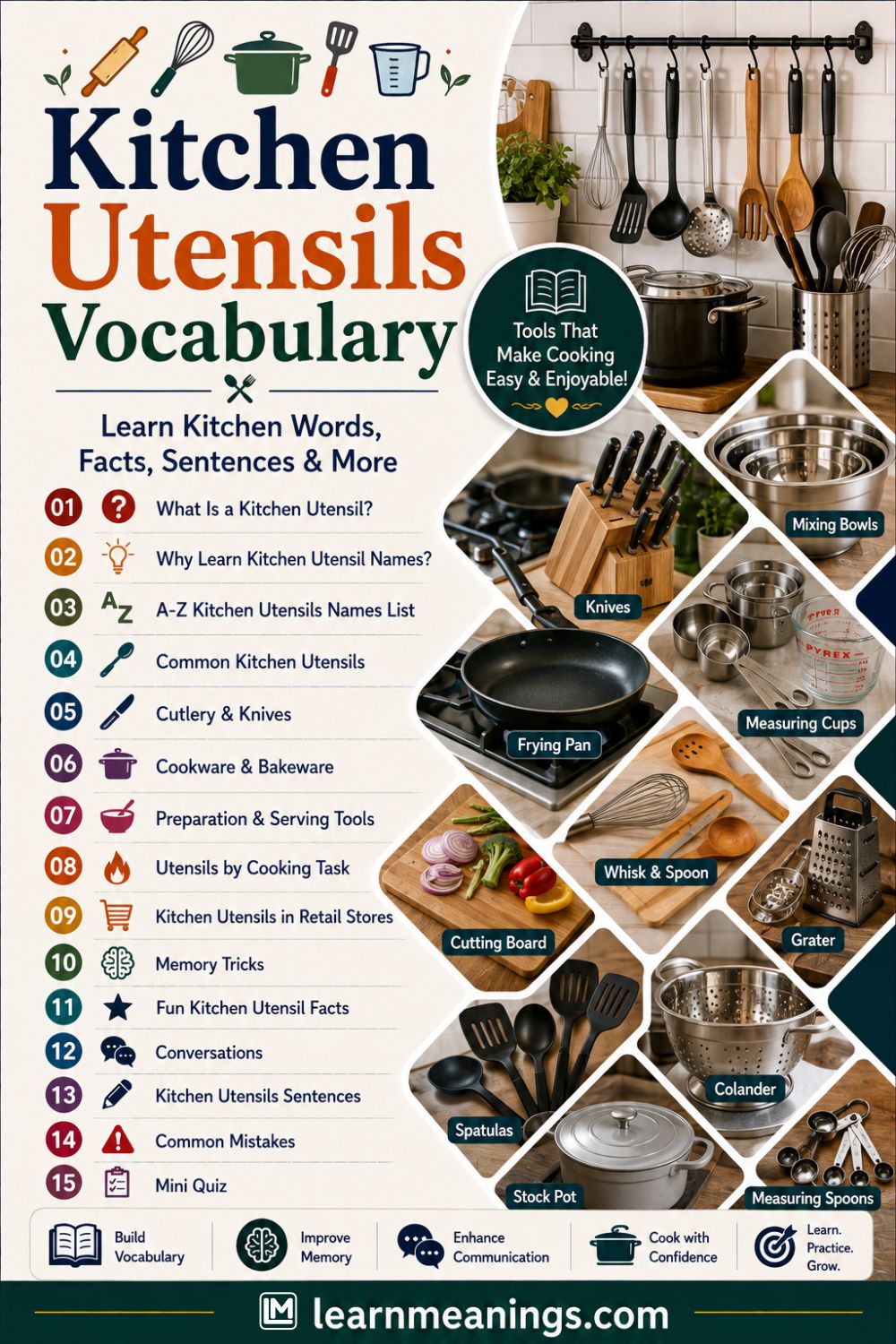
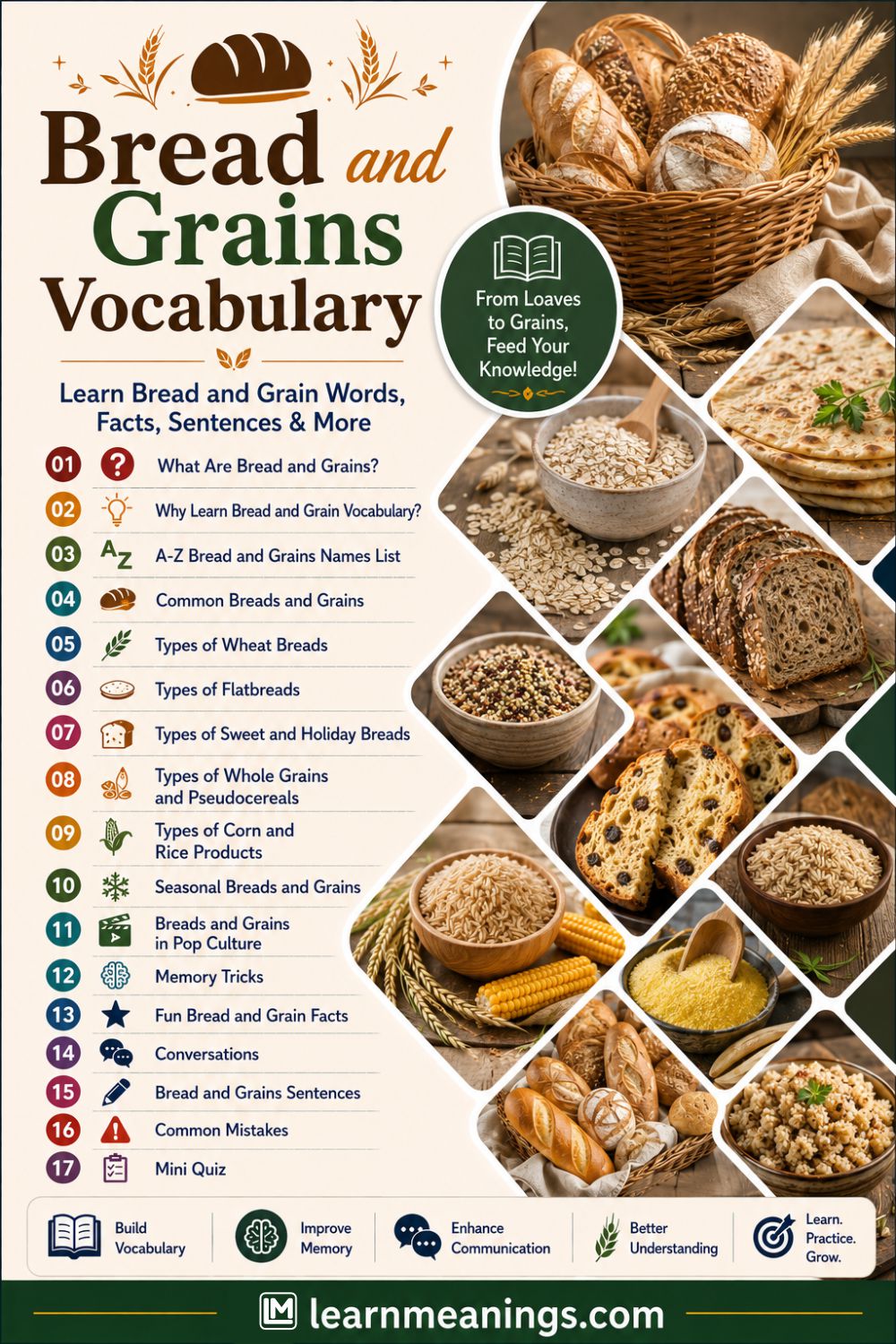
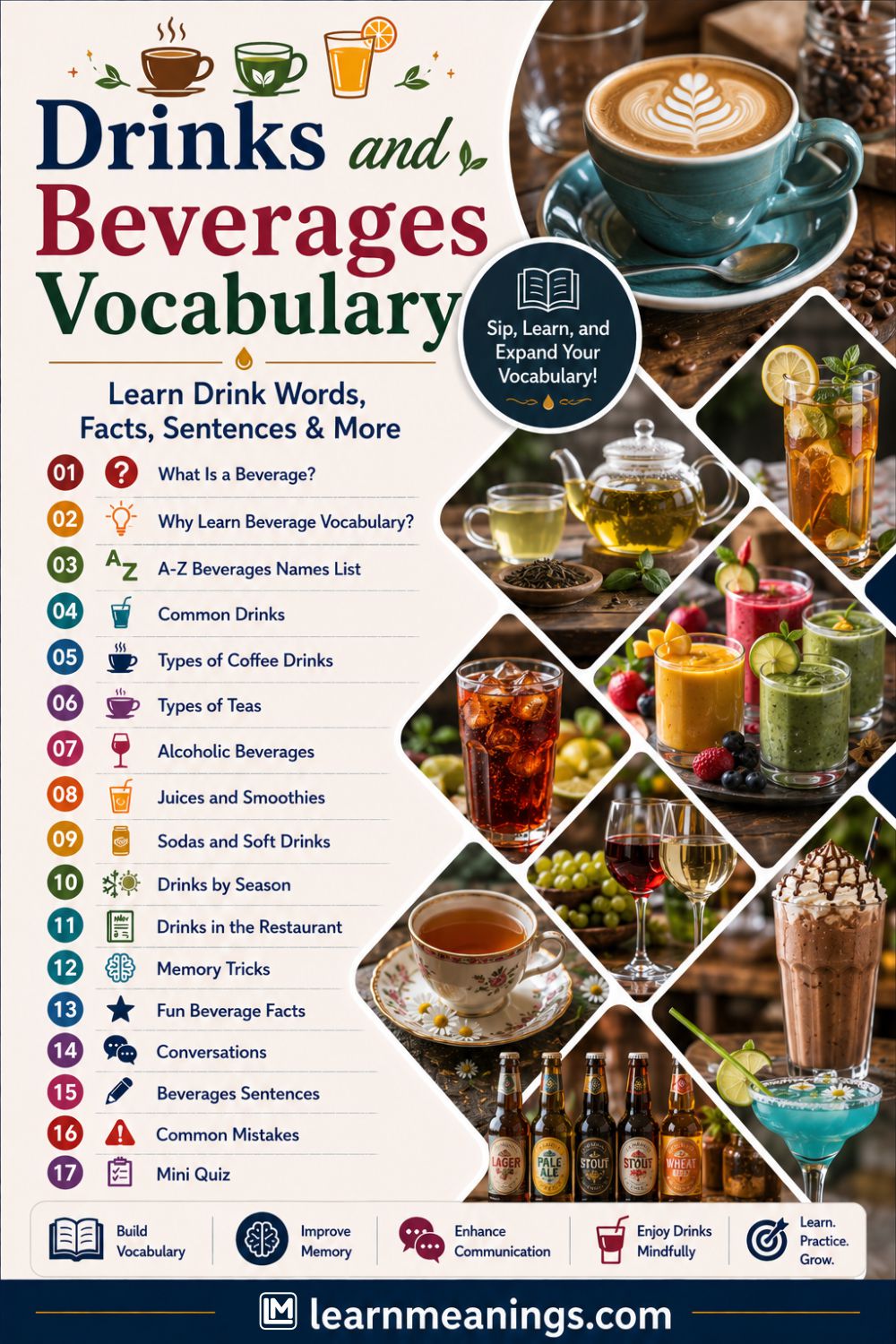


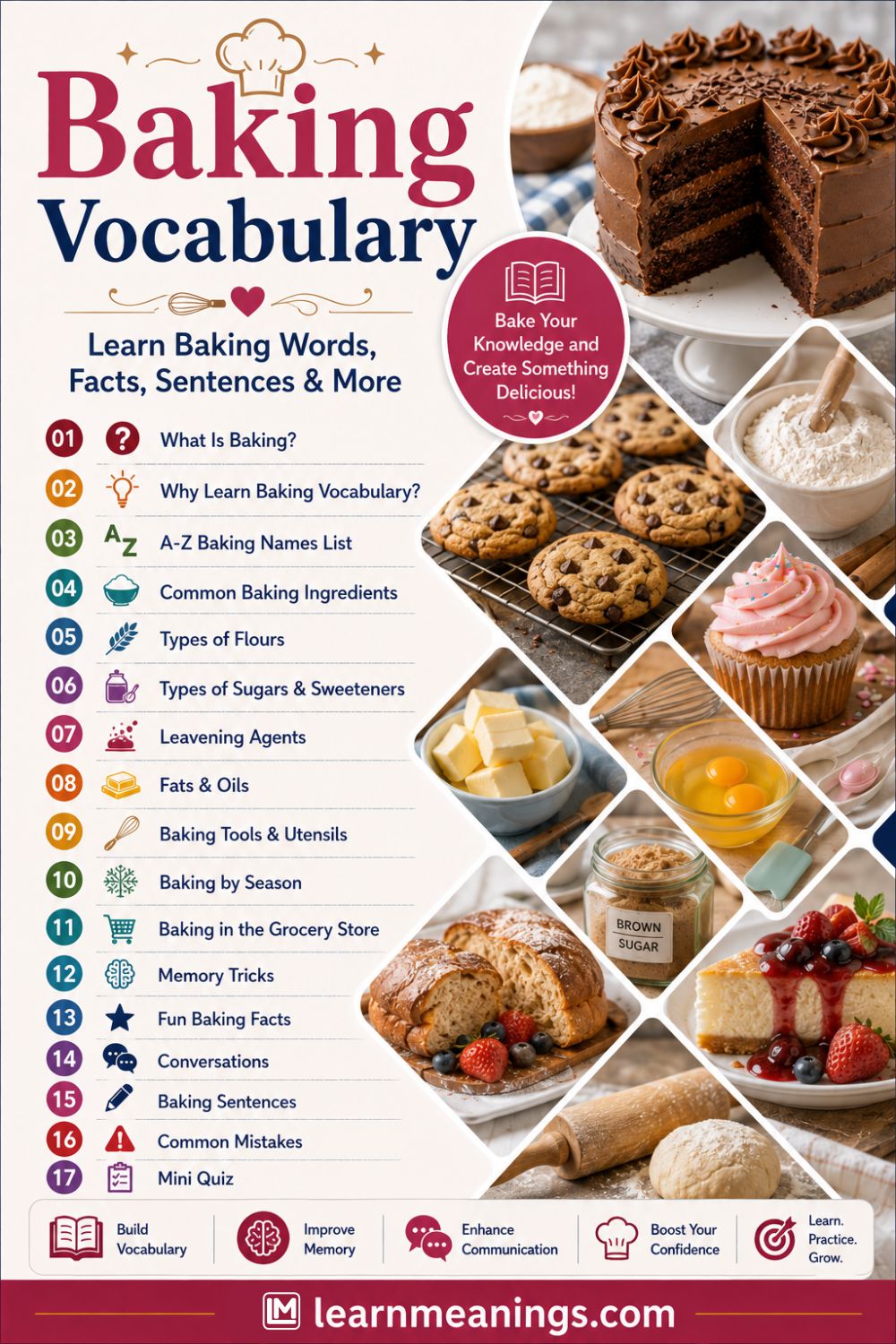

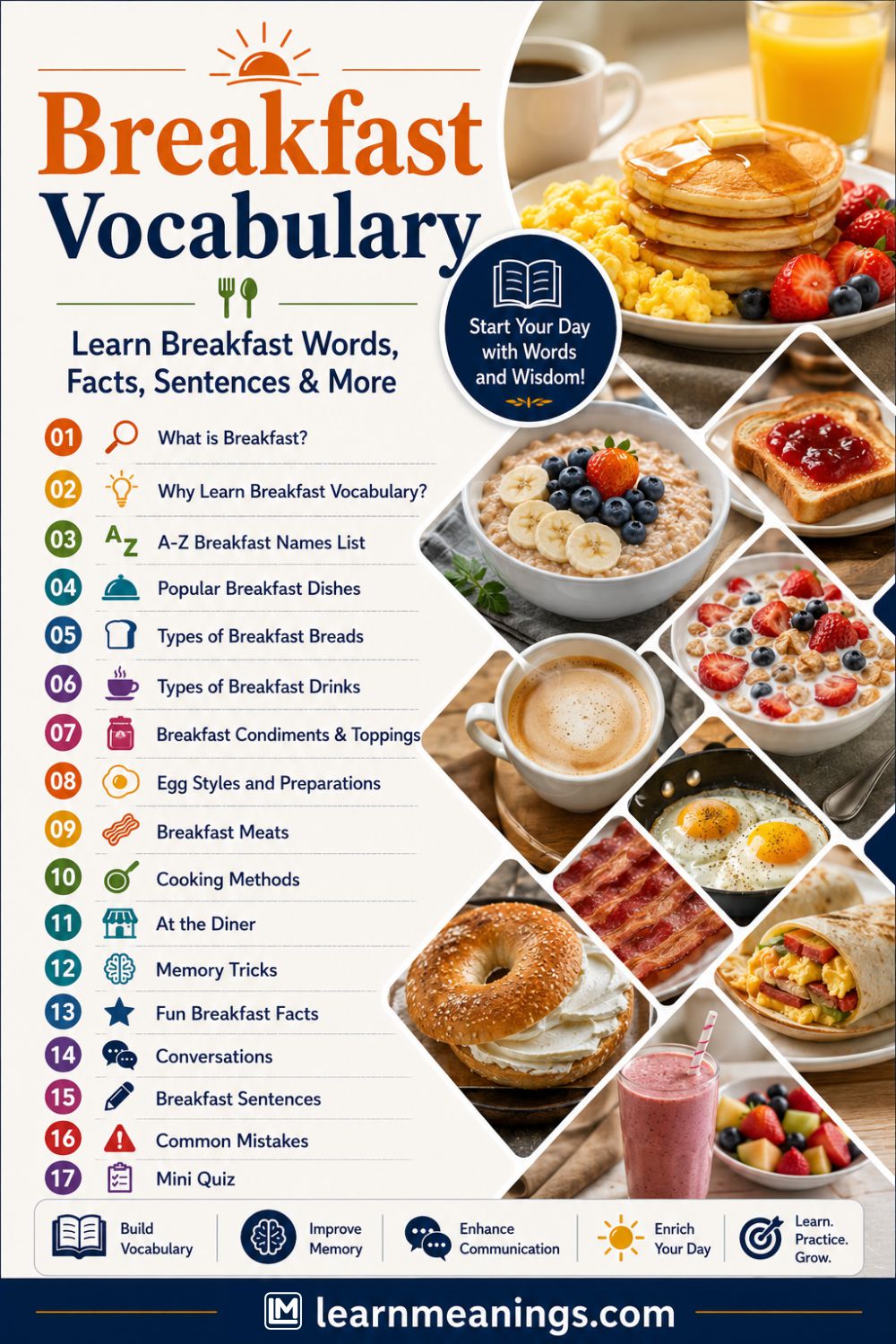


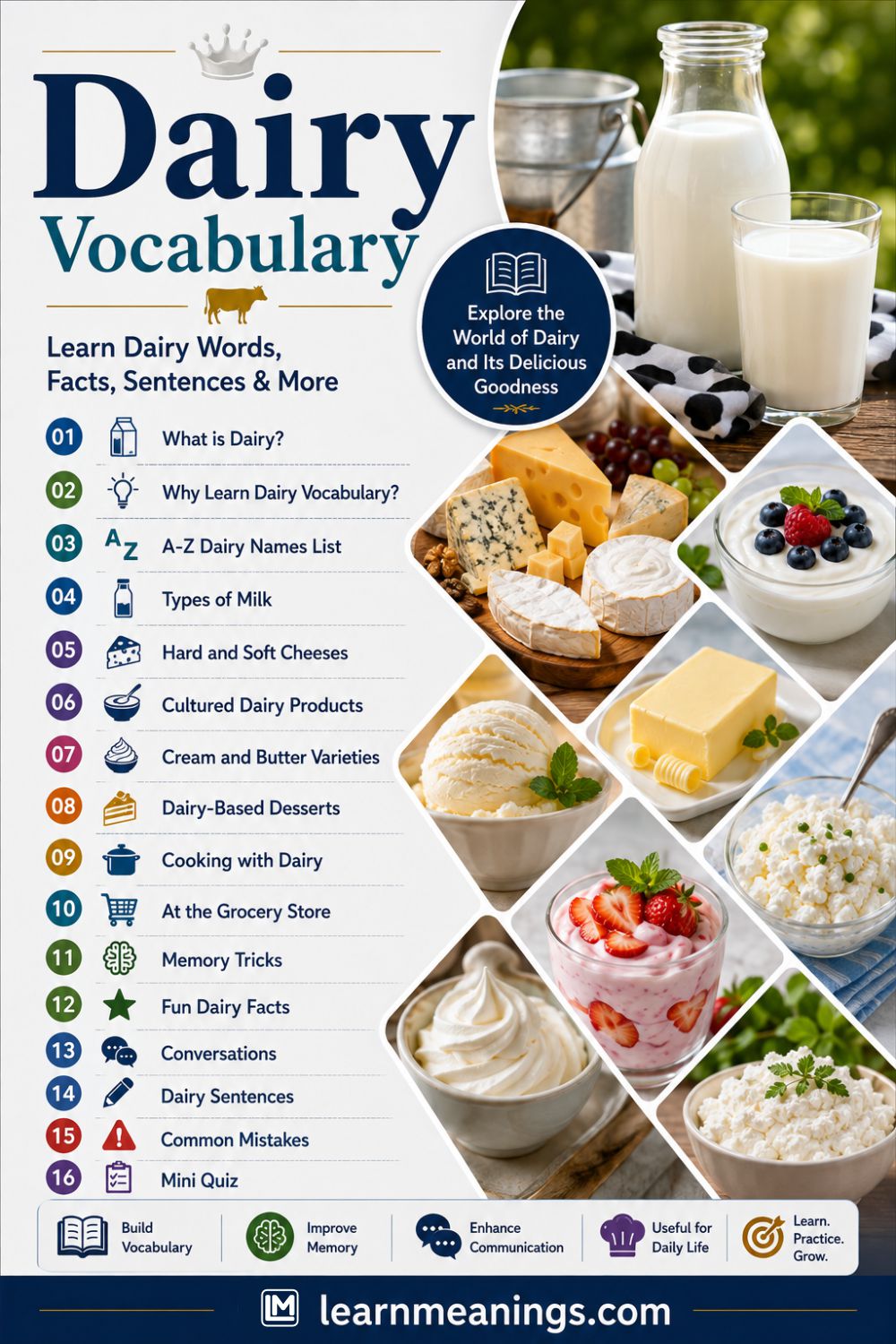

Explore our extensive dictionary using different filters and categories.
Proven strategies to make vocabulary stick.
Consistency is key. Learn at least 5 new words every day and review them regularly to build long-term memory.
Use physical or digital flashcards with the word on one side and the meaning/example on the other for active recall.
Read books, articles, and news in English. Context helps you understand how words are naturally used in sentences.
Watch English movies, listen to podcasts, and hear native speakers to grasp pronunciation and intonation effortlessly.
Write sentences or short paragraphs using new words. This reinforces learning and highlights areas needing improvement.
Use new vocabulary in conversations. Speaking out loud helps solidify your memory and builds confidence.
Take this 50-question quiz to test your vocabulary knowledge.
1. What is mildew in the context of laundry?
2. Which word means to make something unclear or unintelligible?
3. Which valve is thinner and used on high-pressure road bike tires?
4. What is the main ingredient in imitation crab meat (surimi)?
5. Why do baristas use a 'tamper'?
6. Which flower's name comes from the French word for 'lion's tooth'?
7. What do you call a group of bees living together?
8. The 'Continental Clip' is a famous haircut associated with which breed?
9. Which of these exercises is an isolation exercise?
10. Which attack specifically targets high-ranking executives like CEOs?
11. Which part provides the friction to stop the car against the rotor?
12. What is the plural of 'mouse' when referring to a computer?
13. What does 'ruminate' mean?
14. What color is produced by adding white to red?
15. What does it mean to 'get rid of' something?
16. What does the term 'zero-drop' mean in athletic shoes?
17. What is a group of rats commonly called?
18. What does 'stand up to' mean?
19. To judge the value or quality of something is to ____ it.
20. What does 'dogfooding' mean?
21. Which drink is made by pouring a shot of hot espresso over a scoop of vanilla gelato?
22. What is the purpose of 'cleats' on athletic shoes?
23. What is a 'Widget'?
24. What is the term for a baby deer?
25. What is a floating marker anchored to the sea floor called?
26. Which of these is NOT a dairy product?
27. What should you use to fix a mistake made with a pen?
28. Which idiom expresses extreme determination?
29. What does it mean to 'leverage' an asset?
30. Which word means 'a sudden and ignominious failure'?
31. What is a group of lions called?
32. What is the code on the spine of a book that tells you where it is located?
33. Which landmark is a large body of water surrounded by land?
34. What does AMA stand for?
35. What is 'chromatic aberration'?
36. Which professional represents their country abroad?
37. What is the difference between a folder and a binder?
38. Which of these condiments is gluten-free and often used as a soy sauce substitute?
39. What is a list of the books referred to in a scholarly work called?
40. Which wild animal has the same number of neck vertebrae as a human?
41. Which word describes someone who is 'talkative'?
42. What does 'Bet' mean?
43. What is the sphincter muscle called that controls the emptying of food from the stomach?
44. Which beverage is known as 'the Champagne of Teas'?
45. What snack was originally called 'Opal Fruits' in the UK?
46. What is the upright panel at the head of the bed called?
47. Which word means to prove a statement or theory to be wrong?
48. What does a 'bagger' do at a grocery store?
49. Which day is known as 'Black Friday'?
50. Which of the following 'peppercorns' is not a true pepper?
While native English speakers know between 20,000 and 30,000 words, you only need around 3,000 to 5,000 word families to understand about 95% of everyday conversations and texts. Fluency is more about mastering the core words and their multiple contexts than just memorizing thousands of rare terms.
Passive vocabulary consists of the words you understand when you read or hear them, but might not use yourself. Active vocabulary consists of the words you can comfortably recall and use in speaking or writing. The goal of vocabulary practice is to move words from your passive memory into your active vocabulary.
It depends on your goals. If you are moving to or working with the US, learn American English. If you are going to the UK, learn British English. However, the core vocabulary is 99% identical. Focus on learning standard English first, and pick up regional variations later.
Consistency is key. Learn at least 5 new words every day and review them regularly. Use flashcards, read extensively, and try to use new words in your own sentences. Contextual learning helps you remember words much better than rote memorization.
Learning words by topic helps your brain create semantic networks. When you learn related words together, you reinforce the category in your mind, making it easier to recall the specific words when you are talking about that subject.
